


Why Stable Glucose Creates a More Resilient Mind
Have you ever noticed that some days your patience disappears, your anxiety feels overwhelming, or your emotions seem to shift without warning? While life circumstances certainly influence our emotional wellbeing, there is another factor that often goes unnoticed—our blood sugar.
Many people think of blood sugar as something only individuals with diabetes need to monitor. However, emerging research continues to demonstrate that blood sugar stability plays an important role in mood regulation, emotional resilience, concentration, sleep, stress tolerance, and overall mental wellness.
As both a Registered Social Worker and Functional Nutrition Practitioner, I often remind clients that our emotions are not “just in our heads.” Every thought, feeling, and emotional response requires energy. That energy comes from the food we eat and how efficiently our bodies regulate glucose.
Understanding the connection between blood sugar and emotional regulation can provide a powerful new perspective on anxiety, irritability, low mood, and emotional overwhelm.
Your Brain Is an Energy-Hungry Organ
When blood sugar rises and falls dramatically throughout the day, the brain experiences an energy roller coaster.
The result may look surprisingly familiar:
- Irritability
- Anxiety
- Brain fog
- Difficulty concentrating
- Mood swings
- Fatigue
- Feeling overwhelmed
- Increased emotional sensitivity
Many people interpret these experiences as personal weakness or emotional instability when, in reality, biology may be playing a significant role.

The Blood Sugar Roller Coaster
Blood sugar rises rapidly.
Your pancreas responds by releasing insulin to move glucose into the cells.
Sometimes insulin lowers blood sugar too quickly, resulting in what many people describe as an energy crash.
When blood sugar falls rapidly, the body perceives it as a stressor.
To compensate, it releases stress hormones including cortisol and adrenaline.
These hormones are designed to increase blood sugar quickly, but they also produce symptoms remarkably similar to anxiety.
You may experience:
- Racing heart
- Restlessness
- Shaking
- Sweating
- Feeling panicked
- Difficulty thinking clearly
- Irritability
Many individuals seek therapy believing they have worsening anxiety without realizing that unstable blood sugar may be contributing to these emotional experiences.
This does not mean anxiety is caused solely by nutrition. Emotional health is always multifaceted. However, supporting biological stability often creates a stronger foundation for psychological healing.
Stress and Blood Sugar Influence Each Other
The relationship works in both directions.
Stress raises cortisol.
Elevated cortisol increases blood sugar to prepare the body for perceived danger.
If stress becomes chronic, blood sugar regulation becomes increasingly difficult.
At the same time, unstable blood sugar increases cortisol production.
The body enters a cycle where biological stress and emotional stress continually reinforce one another.
This helps explain why people living with chronic stress, trauma, burnout, or anxiety often report cravings, emotional eating, fatigue, disrupted sleep, and fluctuating moods.
The nervous system and metabolism are constantly communicating.
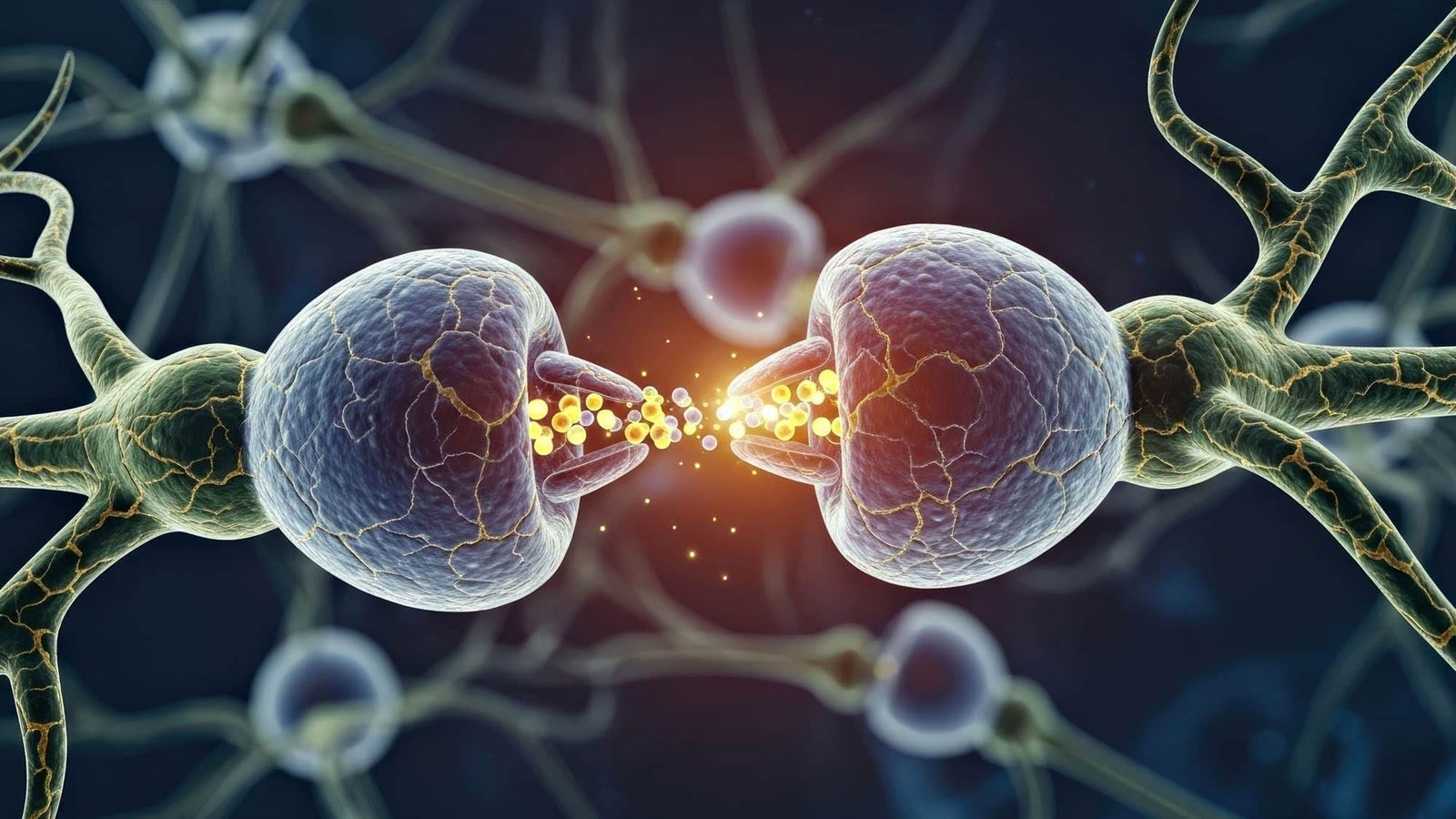
Neurotransmitters Depend on Stable Nutrition
The brain depends upon:
- Stable glucose availability
- Amino acids from protein
- B vitamins
- Magnesium
- Zinc
- Healthy fats
- Iron
When meals are skipped or consist primarily of refined carbohydrates, the body may struggle to produce and regulate these important brain chemicals efficiently.
Supporting mental health therefore involves both psychological and biological care.
Food becomes information for the brain.
Why Emotional Regulation Begins with Physiology
As social workers, we often teach mindfulness, emotional regulation, distress tolerance, and coping skills.
These remain incredibly valuable.
Yet imagine trying to regulate emotions while your brain is running on unstable fuel and elevated stress hormones.
Sometimes clients describe this as “knowing what to do but not being able to do it.”
Their coping skills have not disappeared.
Their nervous system simply lacks the biological stability to access them consistently.
When we improve the body’s internal environment, many therapeutic strategies become easier to implement.
This illustrates the importance of integrating mental health care with nutritional support rather than viewing them as separate disciplines.
Practical Ways to Support Blood Sugar Balance
Small changes often produce meaningful improvements.
Consider incorporating these habits:
Prioritize protein at breakfast.
Protein slows glucose absorption and provides amino acids needed for neurotransmitter production.
Pair carbohydrates with protein and healthy fats.
This reduces rapid blood sugar spikes while providing longer-lasting energy.
Avoid skipping meals.
Long periods without eating can increase cortisol and trigger reactive blood sugar swings.
Choose high-fibre foods.
Vegetables, legumes, berries, and whole grains help slow glucose absorption.
Stay hydrated.
Even mild dehydration can affect concentration, mood, and energy.
Move your body regularly.
Walking after meals improves glucose utilization while supporting emotional wellbeing.
Support quality sleep.
Poor sleep contributes to insulin resistance, increased cravings, and heightened emotional reactivity.
These simple practices are not about dieting.
They are about creating biological conditions that allow the brain to function optimally.

Healing Is Never One-Dimensional
Mental health cannot be separated from physical health.
Our thoughts influence our biology.
Our biology influences our thoughts.
Candace Pert’s groundbreaking work on the “bodymind” reminds us that emotions are not confined to the brain alone. Every cell in the body participates in the conversation between mind and body.
When we begin supporting blood sugar, inflammation, gut health, sleep, movement, and nutrition alongside counselling and emotional healing, we often discover that resilience becomes easier to build.
This does not replace therapy.
Nor does nutrition replace psychological care.
Rather, each strengthens the other.
Healing becomes more complete when we address both the emotional experiences people carry and the biological systems that support emotional resilience.
COMPLETE PATH TOWARD MENTAL WELLNESS
If you have been working hard to improve your mental health but continue to experience anxiety, irritability, fatigue, or emotional ups and downs, it may be time to look beneath the surface.
Understanding how your biology influences your emotions can provide valuable insight into your wellbeing. Together, we can explore how counselling, functional nutrition, and nervous system support work together to create lasting emotional resilience.
At Mind Health Connect, I integrate evidence-informed social work with functional nutrition to help individuals understand the powerful connection between the mind and body. When we support the biology beneath our emotions, healing often becomes more sustainable.
Your emotions tell a story—but your biology may be holding part of the answer. Learn how biology influences emotions, and discover a more complete path toward mental wellness.
Debbie Knight, RSW, CFNP
Mind Health Connect
Connecting Mind and Body for Lasting Emotional Wellness