

How the Building Blocks of Protein Shape Your Emotional Health
Have you ever wondered why some days you feel calm, focused, and motivated, while on other days you feel anxious, exhausted, or emotionally overwhelmed?
Many people assume emotions are simply reactions to life circumstances. While our experiences certainly influence how we feel, there is another important piece of the puzzle that is often overlooked—our biology.
Every thought, emotion, and behaviour is influenced by chemical messengers called neurotransmitters. These neurotransmitters are produced from amino acids, the building blocks of protein. Without adequate amino acids and the nutrients needed to convert them into neurotransmitters, the brain may struggle to communicate efficiently.
This does not mean mental health challenges are caused solely by nutritional deficiencies. Emotional wellness is complex and includes life experiences, trauma, relationships, genetics, stress, sleep, and environment. However, nutrition provides the raw materials that allow the brain to function at its best.
Understanding this connection helps us appreciate that supporting mental health often begins by nourishing the body as well as the mind.
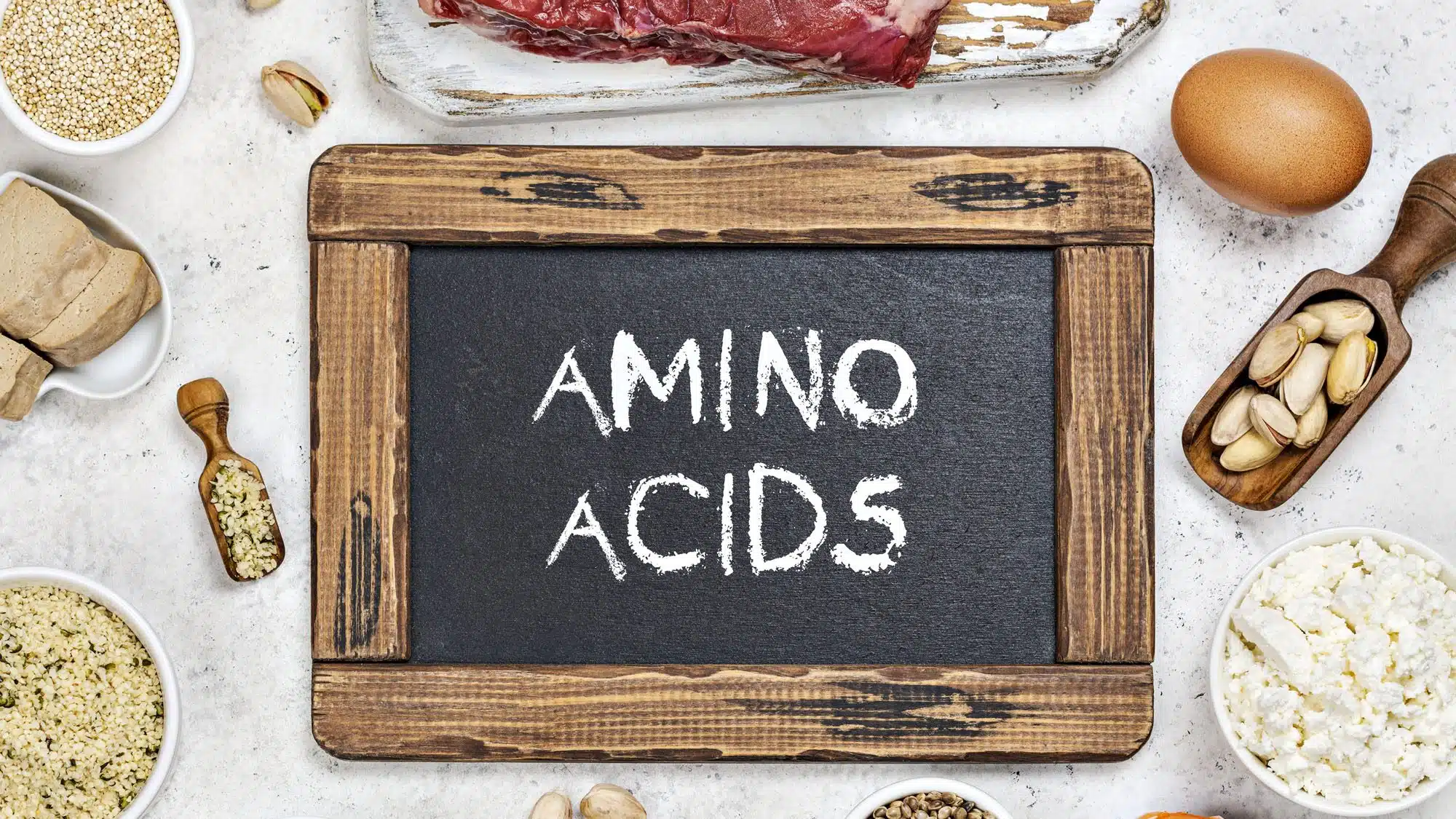
What Are Amino Acids?
- Fish
- Poultry
- Eggs
- Beef
- Dairy products
- Beans and legumes
- Nuts and seeds
- Soy products
There are twenty amino acids that the body uses, with nine considered essential, meaning they must come from our diet because the body cannot manufacture them.
While amino acids are responsible for building muscles, repairing tissues, supporting the immune system, and producing enzymes, one of their most fascinating roles is their involvement in brain chemistry.Many neurotransmitters begin as amino acids.
Neurotransmitters: The Brain’s Communication Network
- Mood
- Motivation
- Focus
- Memory
- Sleep
- Stress response
- Emotional regulation
- Pain perception
When neurotransmitters are produced efficiently and remain in balance, we often experience greater emotional resilience. When production is impaired, communication between brain cells may become less efficient, contributing to symptoms such as anxiety, low mood, brain fog, irritability, or fatigue.
Let’s look at several of the major neurotransmitters.
Serotonin: The Mood Stabilizer
Healthy serotonin levels support:
- Emotional stability
- Healthy sleep
- Appetite regulation
- Digestion
- Confidence
- Reduced anxiety
Serotonin is produced from the amino acid tryptophan.
However, simply eating foods containing tryptophan is not enough. The body also requires nutrients such as vitamin B6, folate, vitamin B12, magnesium, and iron to convert tryptophan into serotonin efficiently.
Interestingly, approximately 90% of the body’s serotonin is produced within the digestive system, highlighting the close relationship between gut health and emotional wellness.
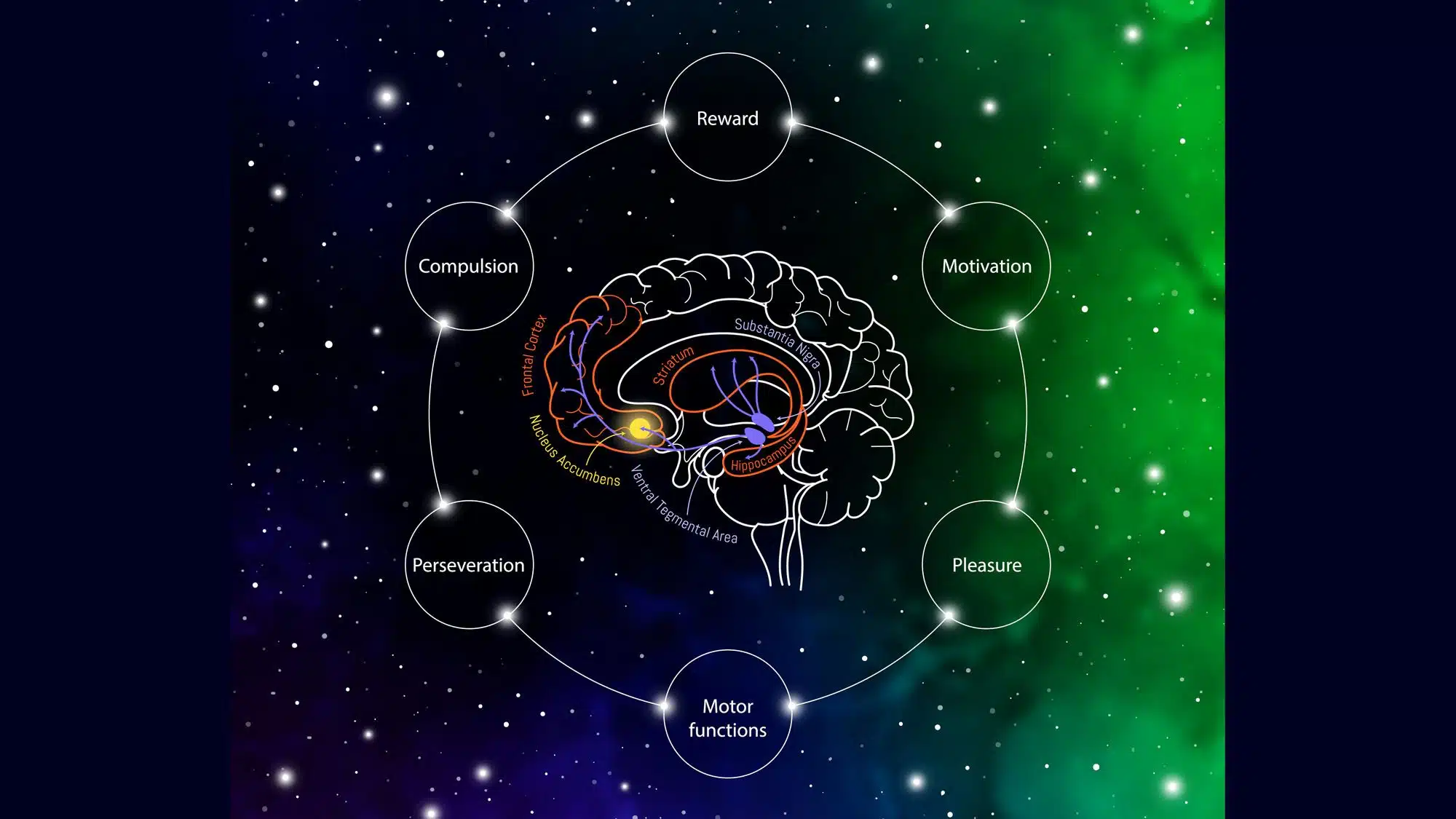
Dopamine: Motivation and Reward
- Feel motivated
- Experience pleasure
- Maintain attention
- Learn
- Set goals
- Feel mentally energized
Dopamine begins with the amino acid tyrosine, which is found in protein-rich foods.
Production of dopamine also depends on adequate amounts of iron, copper, vitamin B6, folate, and other nutrients.
Low dopamine activity may contribute to:
- Low motivation
- Fatigue
- Difficulty concentrating
- Reduced enjoyment
- Poor focus
Again, nutrition is only one factor, but it provides the essential building materials needed by the brain.
GABA: The Brain’s Natural Brake
Think of GABA as the nervous system’s brake pedal.
Healthy GABA activity helps:
- Reduce anxious thoughts
- Promote relaxation
- Improve sleep
- Reduce muscle tension
- Support emotional regulation
Although GABA itself functions as a neurotransmitter, it is produced from the amino acid glutamate through processes that require nutrients including vitamin B6 and magnesium.
Many people living with chronic stress appear to have nervous systems that remain “stuck” in high alert. Supporting healthy GABA activity may help restore greater balance alongside therapy, stress management, and healthy lifestyle practices.
Norepinephrine: Energy and Alertness
It influences:
- Alertness
- Concentration
- Energy
- Reaction time
- Blood pressure
- Stress response
Like dopamine, norepinephrine is produced from tyrosine.
When properly regulated, it helps us remain engaged and mentally sharp. Too little may contribute to fatigue and poor focus, while excessive activation may contribute to chronic anxiety and hypervigilance.
Balance is the goal.
Why Nutrients Matter
The body also depends upon adequate amounts of:
- Vitamin B6
- Vitamin B12
- Folate
- Iron
- Magnesium
- Zinc
- Vitamin C
- Copper
If these nutrients are lacking, neurotransmitter production may become less efficient despite adequate protein intake.
In addition, digestive health plays an important role. If nutrients are not properly absorbed because of digestive dysfunction, inflammation, food sensitivities, or other gastrointestinal concerns, the brain may not receive everything it needs to function optimally.
This is one reason why functional nutrition often looks beyond symptoms and explores the underlying biological factors that may influence emotional health.
The Bigger Picture
While nutrition is incredibly important, it is equally important to remember that mental health is never explained by a single nutrient or neurotransmitter.
Trauma, chronic stress, adverse childhood experiences, relationships, genetics, sleep quality, physical activity, social connection, and overall health all interact with brain chemistry.
As a Registered Social Worker and Functional Nutrition Practitioner, I often encourage clients to think about emotional wellness through a wider lens.
Counselling helps us understand our experiences, process emotions, develop healthier coping strategies, and build resilience.
Functional nutrition helps ensure the brain has access to the biological resources needed to support those changes.
Together, these approaches acknowledge both the psychological and biological aspects of healing.
Food as Information
Every meal sends information throughout the body.
Protein provides amino acids.
Healthy fats support brain cell membranes.
Colourful fruits and vegetables provide antioxidants.
Vitamins and minerals support hundreds of biochemical reactions occurring every second.
Although no single food cures anxiety or depression, consistently nourishing the body creates an internal environment where emotional wellness has a greater opportunity to flourish.
Small daily choices often produce meaningful long-term change.
Final Thoughts
The relationship between amino acids and neurotransmitters reminds us that our emotions are not simply “all in our head.” They are influenced by an extraordinary conversation between the brain and the body.
When we understand how nutrition supports brain chemistry, we begin to recognize that emotional health is built upon many interconnected foundations.
Healing rarely comes from one intervention alone. It emerges through the combination of compassionate therapy, healthy relationships, quality sleep, stress management, movement, and providing the body with the nutrients it needs to perform its remarkable work.
The more we understand our biology, the better equipped we become to support our emotional well-being with knowledge, compassion, and hope.
Connection of Mind and Body
If you have been struggling with anxiety, low mood, burnout, or emotional overwhelm, it may be time to look beneath the surface. Your thoughts and feelings are influenced not only by your experiences but also by the biology that supports your brain every day.
At Mind Health Connect, we integrate psychotherapy with functional nutrition to help explore the biological and psychological factors that influence emotional wellness. Together, we can examine the connections between nutrition, brain health, nervous system regulation, and emotional resilience.
Learn how biology influences emotions—and discover how supporting both your mind and your body can help create lasting emotional wellness.
Debbie Knight, RSW, CFNP
Mind Health Connect
Connecting Mind and Body for Lasting Emotional Wellness