

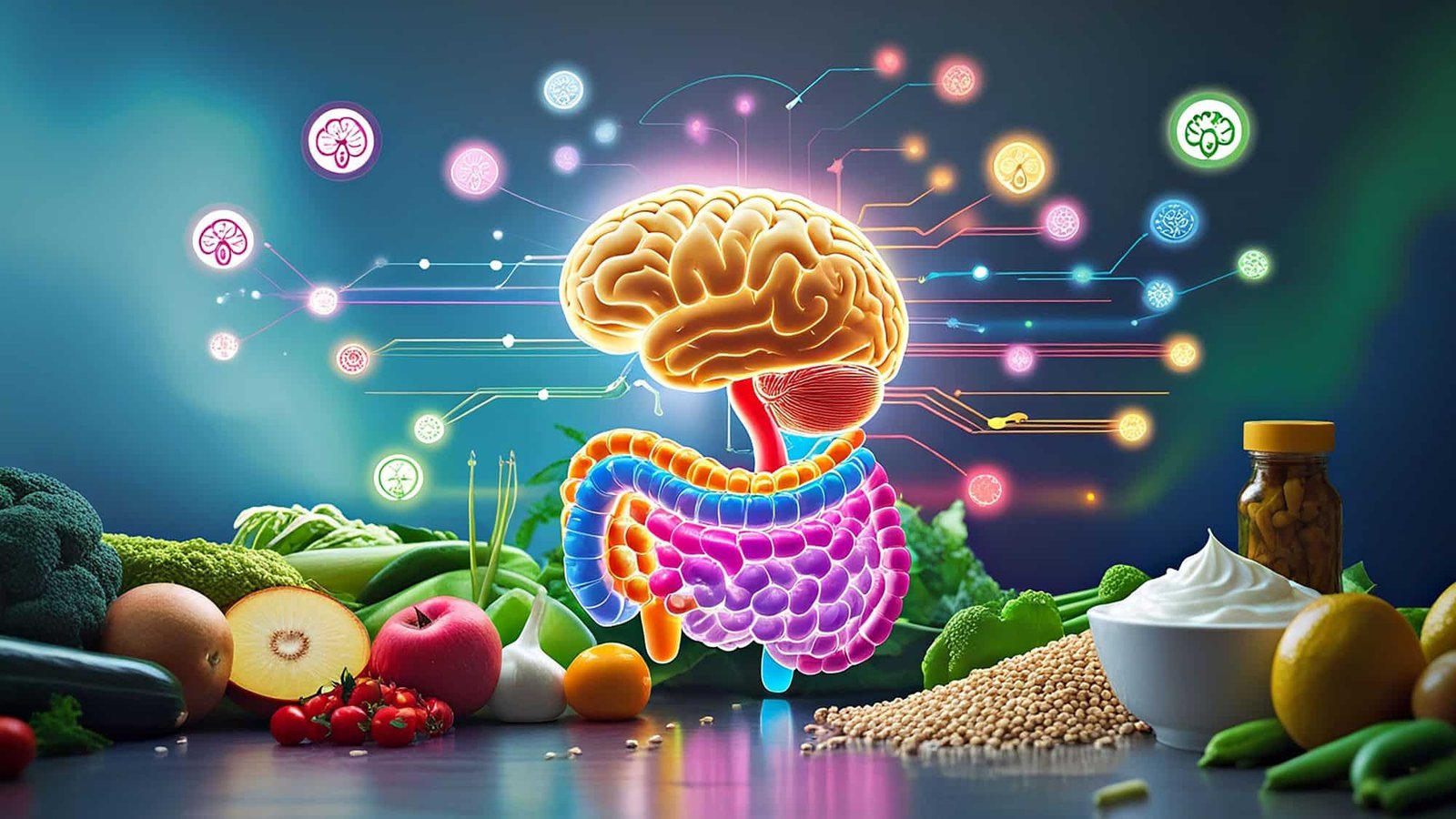
Understanding How Biology Influences Emotions
“Your emotions are not just in your mind—they are deeply connected to the biology of your body.”
For many years, mental health has been viewed primarily through a psychological lens. Anxiety, depression, burnout, irritability, and brain fog have often been treated as conditions that originate solely within the mind. While our thoughts, experiences, relationships, and life events certainly shape our emotional well-being, emerging research continues to demonstrate something equally important: our biology profoundly influences how we think, feel, and respond to the world around us.
The human body is an extraordinary communication network. Every cell, hormone, neurotransmitter, nutrient, and immune signal contributes to the ongoing conversation between the brain and the body. This relationship is known as the mind-body connection, and it reminds us that emotional health cannot be separated from physical health.
As a Registered Social Worker and Functional Nutrition Practitioner, I often explain to clients that healing rarely comes from addressing only one side of the equation. True wellness develops when we support both emotional experiences and the biological systems that influence them.
The Brain Requires Nutrients to Function
The brain represents only about two percent of our body weight, yet it consumes approximately twenty percent of our daily energy. Every thought, memory, emotion, and decision relies upon nutrients supplied through the foods we eat.
Our brains require:
- Amino acids to build neurotransmitters such as serotonin and dopamine
- Healthy fats to support brain cell membranes
- B vitamins for methylation and neurotransmitter production
- Magnesium to calm the nervous system
- Zinc and iron to support cognitive function
- Vitamin D for mood regulation
- Omega-3 fatty acids to reduce inflammation and support communication between brain cells
When these nutrients are insufficient, the brain may struggle to regulate emotions efficiently. While nutrition alone is not responsible for every mental health concern, it creates the biological environment in which healing becomes more possible.

Blood Sugar and Emotional Stability
Have you ever noticed feeling anxious, shaky, irritable, or unable to concentrate when you have skipped a meal?
This is not simply being “hangry.” It is biology.
The brain depends on a consistent supply of glucose. Large swings in blood sugar can activate the body’s stress response, increasing cortisol and adrenaline. These hormonal changes may produce symptoms remarkably similar to anxiety, including:
- Racing heart
- Restlessness
- Irritability
- Difficulty concentrating
- Mood swings
- Fatigue
Supporting stable blood sugar through balanced meals that include protein, healthy fats, fibre, and complex carbohydrates can help stabilize both energy and mood throughout the day.
The Gut Is Constantly Talking to the Brain
One of the most fascinating discoveries in modern science is the gut-brain axis.
Rather than functioning independently, the digestive system and brain communicate continuously through nerves, hormones, immune messengers, and the trillions of microorganisms that make up the gut microbiome.
In fact, much of the body’s serotonin is produced within the digestive tract. Although this serotonin does not directly enter the brain, it plays important roles in digestion, immune function, and communication between body systems. A healthy gut also supports nutrient absorption and influences inflammatory processes that can affect overall mental well-being.
When digestion is impaired through chronic stress, inflammation, food sensitivities, or poor nutrition, this communication pathway may become less efficient, contributing to fatigue, reduced resilience, and emotional dysregulation.

Chronic Stress Changes Biology
Stress is not simply an emotional experience—it is also a biological one.
When we experience ongoing stress, our bodies remain in a heightened state of alert. Cortisol remains elevated, inflammation increases, sleep quality declines, digestion slows, and nutrient requirements rise.
Over time, chronic stress can affect:
- Hormonal balance
- Immune function
- Blood sugar regulation
- Digestive health
- Brain function
- Energy production
Many people begin believing there is something wrong with them emotionally, when in reality their nervous system has simply been overwhelmed for an extended period of time.
Supporting stress recovery involves more than positive thinking. It includes sleep, nutrition, movement, nervous system regulation, meaningful relationships, and self-compassion.
Nutrients Help Build Brain Chemistry
Our emotional experiences are influenced by neurotransmitters—chemical messengers that allow brain cells to communicate.
For example:
- Serotonin supports emotional balance and well-being.
- Dopamine contributes to motivation, reward, and focus.
- GABA promotes relaxation.
- Norepinephrine helps regulate alertness and attention.
These neurotransmitters cannot be produced without the nutritional building blocks supplied through our diet.
Protein provides amino acids.
Vitamins and minerals support the enzymes involved in production.
Healthy digestion allows nutrients to be absorbed.
Healthy sleep helps regulate neurotransmitter activity.
This illustrates why nutrition should be viewed as one important piece of comprehensive mental health care.
Every Person Has Unique Biology
No two individuals have identical nutritional needs.
Genetics, stress, medications, digestive health, age, hormone changes, activity levels, sleep quality, and environmental exposures all influence nutritional requirements.
Some individuals may have genetic variations, such as MTHFR polymorphisms, that affect methylation pathways involved in neurotransmitter production and nutrient metabolism. Others may struggle with chronic inflammation, digestive disorders, or nutrient deficiencies that influence mood and cognitive function.
This is why personalized care matters. Rather than searching for a single supplement or miracle diet, it is often more beneficial to understand the biological factors unique to each individual.

Emotional Healing Is Both Psychological and Biological
Counselling helps us understand thoughts, emotions, relationships, trauma, and behavioural patterns.
Nutrition helps provide the biological foundation upon which emotional healing can occur.
Neither replaces the other.
Instead, they work together.
When clients begin nourishing both their emotional lives and their physical health, they often report improved resilience, clearer thinking, better energy, greater emotional regulation, and an increased ability to cope with life’s inevitable challenges.
Healing becomes less about fighting symptoms and more about creating the internal conditions that allow wellness to flourish.
Small Changes Can Produce Meaningful Results
Improving mental health does not require perfection.
Often, the most meaningful changes come from simple daily habits:
- Eating regular, balanced meals
- Including adequate protein
- Choosing whole, nutrient-dense foods more often
- Drinking enough water
- Prioritizing quality sleep
- Moving your body regularly
- Managing stress intentionally
- Spending time outdoors
- Seeking support when needed
Each healthy choice sends a message to your body that safety, nourishment, and healing are possible.
Over time, these small actions create a stronger biological foundation for emotional resilience.
Mental health is not simply about changing your thoughts. It is also about understanding and supporting the remarkable biology that influences those thoughts every single day.
When we care for the body, we also support the mind. When we nourish the brain, regulate the nervous system, and provide the nutrients required for optimal function, we create opportunities for emotional wellness that extend far beyond symptom management.
The goal is not perfection.
The goal is understanding that biology influences emotions—and that both deserve our attention.
Call to Action: Create More Calm and Balance
If you have been struggling with anxiety, burnout, low mood, chronic stress, or emotional exhaustion, consider looking beneath the surface. Your thoughts and feelings matter—but so does the biology that supports them.
At Mind Health Connect, we take an integrated approach that combines evidence-informed counselling with functional nutrition to help you understand how your mind and body work together. By addressing both emotional experiences and biological foundations, you can build greater resilience, improve overall well-being, and create lasting change.
You don’t have to navigate your mental health journey alone.
If you’re ready to discover how your biology may be influencing your emotions and learn practical strategies to support both your mind and body, contact Mind Health Connect today.
Create more calm. Restore more balance. Build wellness from the inside out.
Debbie Knight, RSW, CFNP
Mind Health Connect
Connecting Mind and Body for Lasting Emotional Wellness