


When Your Body Is Asking You to Slow Down
We often think of stress as something happening in our minds. We worry, overthink, rush from one responsibility to the next, and tell ourselves we’ll rest once everything is finished. Yet our bodies are quietly keeping score.
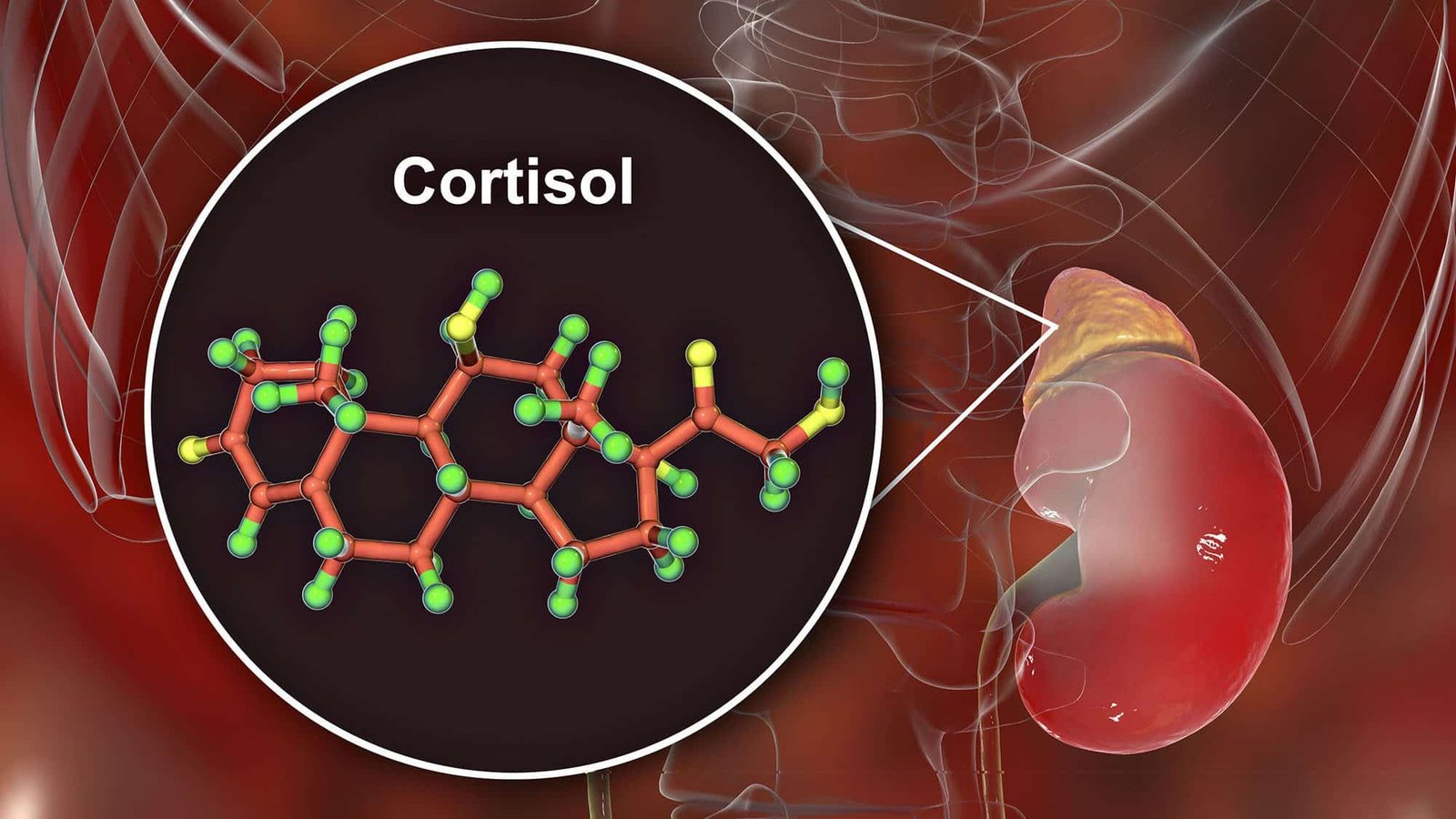
At the center of our stress response is a hormone called cortisol. Often referred to as the body’s primary stress hormone, cortisol plays an essential role in helping us survive. It regulates blood sugar, supports metabolism, influences inflammation, maintains blood pressure, and helps us respond to perceived threats.
The problem isn’t cortisol itself. The problem is when our bodies are asked to produce stress hormones day after day without enough opportunities to recover.
Many people today are not simply stressed—they are living in a constant state of survival. Eventually that prolonged activation can contribute to burnout, emotional exhaustion, anxiety, disrupted sleep, digestive concerns, difficulty concentrating, and feeling disconnected from the life they once enjoyed.
Stress Was Never Meant to Be Constant
Our nervous systems were designed for short bursts of stress.
Thousands of years ago, stress was often immediate and temporary. Once the danger had passed, the body naturally returned to a calm, restorative state.
Modern life is different.
Deadlines, financial pressures, caregiving responsibilities, relationship struggles, social media, world events, chronic illness, unresolved trauma, and the pressure to always be productive can all signal the brain that we are never truly safe.
Even positive life events such as moving, starting a new job, getting married, or welcoming a new baby require significant adaptation from the nervous system.
The result?
Many people wake already exhausted before the day has even begun.
Understanding Cortisol. That Cortisol follows a natural daily rhythm.
Ideally, cortisol rises in the morning to help us wake feeling alert and energized. It gradually declines throughout the day, reaching its lowest point in the evening so the body can prepare for restful sleep.
Chronic stress can disrupt this rhythm.Some individuals experience consistently elevated cortisol, feeling wired, anxious, and unable to relax. Others may experience a flattened daily pattern where they struggle with fatigue, brain fog, low motivation, and poor resilience to stress.
Neither state reflects weakness.
They simply indicate that the body has been working hard to adapt for an extended period.
Burnout Is More Than Being Tired
Burnout develops when physical, emotional, and psychological demands consistently exceed our capacity to recover.
Many people experiencing burnout notice:
- Difficulty concentrating
- Increased irritability
- Anxiety or emotional numbness
- Sleep disturbances
- Digestive discomfort
- Frequent illness
- Loss of motivation
- Feeling overwhelmed by even small tasks
- Emotional exhaustion despite adequate sleep
As a Registered Social Worker, I often remind clients that burnout is not a personal failure. It is often the consequence of carrying too much for too long without sufficient restoration, support, or boundaries.

The Mind and Body Are Always in Conversation
One of the greatest misconceptions about mental health is believing that emotions exist only in the brain.
Research continues to demonstrate that our thoughts, hormones, immune system, digestive system, nervous system, and lifestyle habits constantly communicate with one another.
Stress affects digestion. Poor digestion influences nutrient absorption.Nutrient deficiencies can influence neurotransmitter production. Poor sleep alters cortisol regulation. Inflammation may affect mood and cognitive function. Everything is connected. This is why lasting emotional wellness often requires looking beyond symptoms and exploring the whole person.
Functional Nutrition and Stress Resilience
Functional nutrition does not eliminate stress. Instead, it helps build the biological resilience needed to navigate life’s inevitable challenges.
Supporting stable blood sugar throughout the day can reduce additional stress placed on the body. Prioritizing protein, healthy fats, fibre, and whole foods provides the brain with consistent fuel.
Micronutrients including magnesium, B vitamins, vitamin C, omega-3 fatty acids, and adequate minerals all play important roles in supporting nervous system function and stress regulation.
Hydration also matters. Even mild dehydration can contribute to fatigue, headaches, poor concentration, and increased feelings of stress.
Digestive health is equally important because the body must first absorb nutrients before it can use them effectively.
Rather than searching for a single supplement to “fix” burnout, it is often more beneficial to strengthen the foundations that support long-term health.

Healing Requires Nervous System Safety
The nervous system cannot heal while it continually believes danger is present.
This does not necessarily require dramatic life changes.Small, consistent practices help teach the brain and body that it is safe to shift out of survival mode.This might include:
- Taking slow diaphragmatic breaths.
- Spending time outdoors.
- Practising mindfulness or meditation.
- Gentle movement.
- Connecting with supportive people.
- Creating healthy boundaries.
- Limiting unnecessary stimulation.
- Prioritizing restorative sleep.
- Engaging in creative activities.
- Seeking professional support when needed.
Healing is rarely about doing more.
Often, it begins by allowing ourselves to do less.
You Are Not Broken
- Their anxiety.
- Their exhaustion.
- Their inability to focus.
- Their emotional overwhelm.
These are not signs that they are failing. They are messages.
The body is remarkably intelligent. It continually communicates what it needs if we learn to listen with curiosity rather than criticism.
Instead of asking,“What’s wrong with me?”We might begin asking,“What has my body been trying to tell me?”
That single shift in perspective often opens the door to healing.
Emotional Wellness Begins with the Foundations
However, when we nourish the body, regulate the nervous system, strengthen emotional resilience, and create space for recovery, we increase our capacity to respond rather than simply react.
- Healing does not happen because stress disappears.
- Healing happens because we become better supported while navigating it.
- Every nourishing meal.
- Every restful night’s sleep.
- Every healthy boundary.
- Every moment spent calming the nervous system.
These small choices become the foundation upon which emotional wellness is built.

Create More Calm and Balance
If you have been feeling overwhelmed, exhausted, anxious, or emotionally depleted, perhaps your body is not asking you to push harder—it may be asking you to slow down and reconnect with the foundations of health.
At Mind Health Connect, we take an integrated approach that combines counselling, nervous system regulation, and functional nutrition to explore the deeper contributors to stress, cortisol imbalance, and burnout. Together, we can help you understand what your mind and body are communicating and develop practical strategies that support lasting emotional wellness.
Call to Action: Create More Calm and Balance
You don’t have to remain in survival mode. Healing begins one small step at a time.