

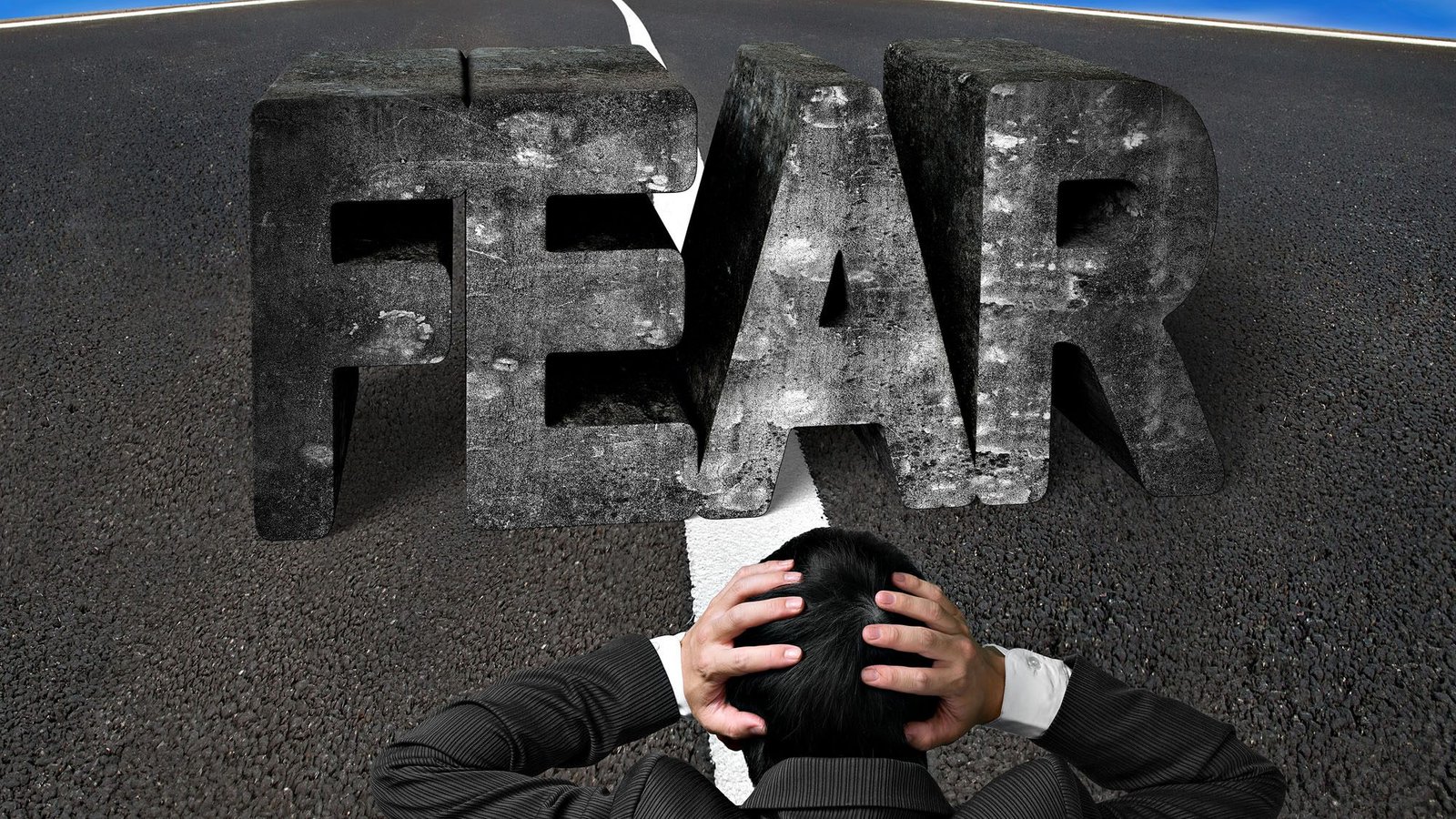
October Theme: Fear, Anxiety & Transformation
Call to Action: Transforming Fear Into Possibility
Fear has an interesting way of shaping our lives.
Sometimes it protects us. Sometimes it warns us. And sometimes, without realizing it, we begin organizing our lives around avoiding it.
We avoid the conversation because we are afraid of conflict. We stay in the familiar because we are afraid of change. We turn down an opportunity because we fear failure. We hesitate to set a boundary because we fear rejection. We avoid looking closely at our health because we are afraid of what we might discover.
Slowly, our world can become smaller—not because the danger is necessarily increasing, but because fear has become the decision-maker.
Yet fear does not always mean stop.
Sometimes fear is asking us to pay attention.
Sometimes it is pointing directly toward the place where transformation can begin.
Fear Is Designed to Protect Us
Fear is not a character flaw. It is part of a sophisticated survival system designed to keep us safe.
When the brain perceives a threat, the nervous system prepares the body to respond. Heart rate may increase. Breathing can become faster. Muscles tighten. Digestion may slow. Attention narrows toward the perceived danger.
This response can happen before we have consciously decided whether something is actually dangerous.
That is incredibly useful when we need to react quickly to a genuine threat.
The challenge is that our nervous system can also react to emotional and psychological threats: rejection, embarrassment, uncertainty, memories, financial concerns, relationship conflict, public speaking, medical appointments, or simply imagining what might happen tomorrow.
The body does not always distinguish neatly between something dangerous is happening and I am thinking about something frightening.
That is why anxiety is rarely experienced only in our thoughts.
We feel it in our chest.
Our stomach.
Our breathing.
Our sleep.
Our muscles.
Our energy.
Our entire body can become involved.
Because wellness is more than the mind.
Avoidance Feels Good—At First
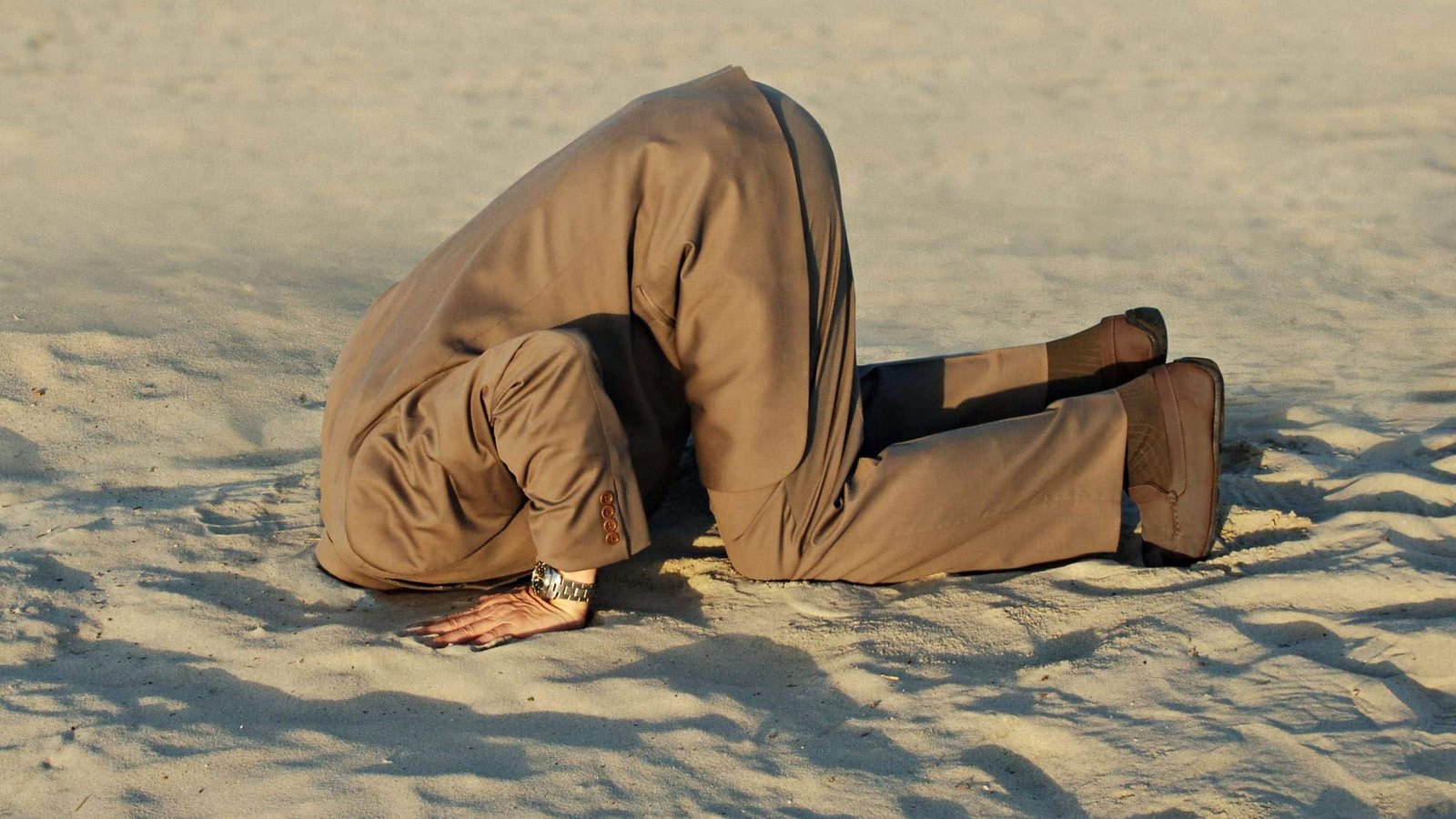
One of the most powerful ways fear maintains itself is through avoidance.
Imagine you are afraid of having a difficult conversation. Every time you think about it, anxiety rises. Your stomach tightens. Your mind begins predicting everything that could go wrong.
So you decide, “I’ll deal with it another day.”
Immediately, you feel better.
That relief matters because your brain learns something:
Avoiding the situation made the uncomfortable feeling disappear.
The next time the conversation comes up, the urge to avoid it may become even stronger.
This pattern can happen with relationships, social situations, driving, flying, medical appointments, career decisions, setting boundaries, leaving unhealthy circumstances, or trying something unfamiliar.
Avoidance can provide short-term relief while strengthening fear over the longer term.
Eventually, we may stop asking:
What do I want?
And begin asking:
What will make me feel least afraid?
Those are very different ways of living.
Courage Does Not Require the Absence of Fear
We often imagine courage as fearlessness.
But courage is usually much quieter than that.
Courage can look like sending the email while your hands are shaking.
Making the appointment you have been avoiding.
Saying no when you normally say yes.
Walking into the room even though you feel uncomfortable.
Trying something new without knowing whether you will succeed.
Asking for help.
Speaking honestly.
Beginning again.
Courage does not necessarily mean eliminating fear before moving forward.
Sometimes courage means learning that fear can come with us without being allowed to choose the direction.

Start With Curiosity
When fear appears, our instinct may be to fight it.
“What is wrong with me?”
“Why can’t I just get over this?”
“I shouldn’t feel this way.”
But criticism rarely creates safety.
Curiosity can.
Instead of immediately trying to eliminate fear, we can begin asking questions.
What am I actually afraid will happen?
Is this danger happening right now, or is my mind predicting a future possibility?
What is my body trying to protect me from?
Have I experienced something in the past that makes this situation feel particularly threatening?
What would I choose if fear were not making the decision?
These questions shift us from reacting automatically to observing what is happening.
That small space between feeling and reaction is important.
It gives us room for choice.
Your Body Needs to Be Part of the Conversation
We cannot always think ourselves out of a nervous system response.
Someone can logically understand that they are safe while their body continues behaving as though danger is present.
This is where a mind-body approach becomes important.
Slow breathing, grounding, movement, adequate sleep, balanced nutrition, stable blood sugar, supportive relationships, time outdoors, mindfulness, creative expression, and therapeutic approaches that build nervous-system awareness can all contribute to a greater sense of regulation.
The objective is not to guarantee that we never experience fear.
It is to increase our capacity to experience discomfort without automatically interpreting it as danger.
When the nervous system becomes more regulated, we may have greater access to curiosity, reasoning, creativity and choice.
Instead of:
“I can’t handle this.”
We can begin experimenting with:
“This feels uncomfortable, but I can take one small step.”
Transformation Happens in Small Steps
Facing fear does not mean throwing ourselves into situations that overwhelm us.
In fact, forcing ourselves too quickly can sometimes reinforce the belief that something is dangerous.
Transformation is often gradual.
If something feels enormous, make the step smaller.
Then smaller again.
Perhaps the first step toward a difficult conversation is writing down what you want to say.
The first step toward changing careers might be researching one possibility.
The first step toward addressing your health may be booking an appointment.
The first step toward setting boundaries might simply be noticing where resentment appears.
The first step toward reconnecting socially might be having coffee with one trusted person.
Small experiences of moving toward something difficult can teach the nervous system:
I experienced fear, and I was able to move through it.
That is how confidence develops—not from knowing that nothing uncomfortable will happen, but from discovering that we have the capacity to respond when it does.

What Might Be Waiting on the Other Side?
Fear tends to focus our attention on what could go wrong.
Transformation asks another question:
What could become possible?
What if the conversation improves the relationship?
What if the boundary creates greater respect?
What if asking for help brings support?
What if changing direction leads somewhere better?
What if trying something new reveals an ability you did not know you had?
There are no guarantees.
Possibility is not certainty.
It is simply the willingness to acknowledge that the future contains more than the frightening outcome our anxious mind has imagined.
Fear says:
“What if something goes wrong?”
Possibility asks:
“What if something changes?”
Transform Fear Into Possibility
This month, as we explore Fear, Anxiety & Transformation, consider one thing you have been avoiding because it scares you.
You do not have to conquer it today.
You do not have to pretend you are fearless.
Simply notice it.
Name the fear.
Listen to what your body is communicating.
Then ask yourself:
What is one safe, manageable step I could take toward this instead of away from it?
Transformation rarely begins with a dramatic leap.
Often, it begins with one small decision not to let fear make every decision for us.
Fear may still whisper.
Anxiety may still appear.
Your nervous system may still ask for reassurance.
But alongside fear, something else can begin to grow:
Curiosity.
Choice.
Confidence.
Courage.
And possibility.
Transform Fear Into Possibility
At Mind Health Connect, we recognize that fear and anxiety are not simply experiences of the mind. Thoughts, emotions, past experiences, nutrition, stress and nervous-system responses can all influence how we experience our world.
If fear has been limiting your choices, perhaps the goal is not to eliminate fear completely. Perhaps it is to understand what it is communicating, strengthen the foundations that help you feel safe, and begin taking manageable steps toward the life you want to create.
Because wellness is more than the mind.
This October, consider asking yourself one question:
If fear were no longer making the decision, what possibility would I move toward?
Debbie Knight, RSW, CFNP
Mind Health Connect
Connecting Mind and Body for Lasting Emotional Wellness