

When the Brain Sounds the Alarm
October Theme: Fear, Anxiety & Transformation
Call to Action: Transforming Fear Into Possibility
Have you ever reacted to something before you had time to think?
Perhaps someone raised their voice and your heart immediately began pounding. A difficult email appeared and your stomach dropped. You heard an unexpected noise and jumped before realizing there was nothing to fear.
Or maybe there wasn’t an obvious threat at all.
You simply woke with a feeling of dread.
Your body was already anxious before your thinking mind had decided there was anything to worry about.
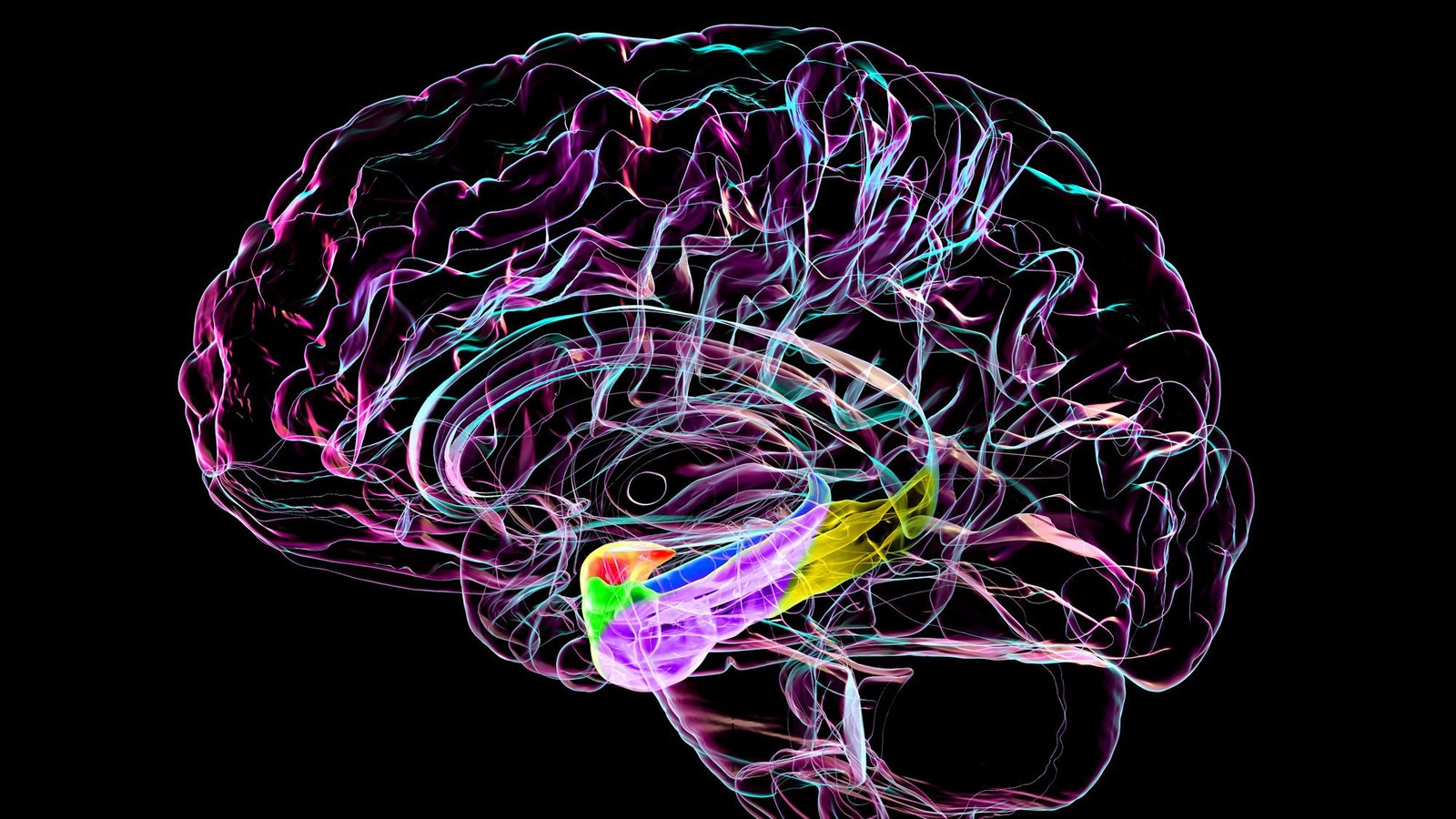
These experiences provide an important window into how the brain responds to perceived threats—and one of the brain regions involved in that process is the amygdala.
Understanding the amygdala can help us understand something important about anxiety:
Sometimes the body sounds the alarm before the thinking mind understands why.
And when we understand that, we can begin responding to fear differently.
Because wellness is more than the mind.
What Is the Amygdala?
The amygdala is a small, almond-shaped collection of nuclei located deep within the brain’s temporal lobe. We actually have one in each hemisphere.
Although people often call it the brain’s “fear centre,” that description is an oversimplification.
The amygdala participates in processing emotionally significant information, learning about threats, forming emotional memories and helping the brain determine what deserves our attention.
Its job is not to make life difficult.
Its job is, in part, to help keep us safe.
Imagine walking through a forest and suddenly noticing something long and curved beside the trail.
Before you consciously determine whether it is a snake or a stick, your body may react.
You freeze.
Your muscles tense.
Your heart beats faster.
Your attention immediately focuses on the object.
Then you look more carefully.
It’s a branch.
The thinking parts of your brain gather more information and determine that you are safe.
Your nervous system can begin settling again.
That rapid response can be incredibly useful when danger is real.
The challenge occurs when our alarm system becomes highly sensitive or when uncertainty, memories, sensations or everyday experiences repeatedly trigger a threat response.
Your Brain Would Rather Be Safe Than Sorry
From a survival perspective, reacting quickly to a potential threat makes sense.
Imagine our ancestors hearing movement in the bushes.
Waiting several minutes to carefully analyze whether the sound was caused by the wind or a predator would not always have been a good survival strategy.
The brain developed systems capable of responding rapidly to potentially important information.
This helps explain why fear can sometimes feel faster than thought.
You might logically know:
“I’m safe.”
Yet your body seems to be saying:
“I’m not convinced.”
That difference can be frustrating.
People experiencing anxiety sometimes criticize themselves because they cannot “think their way out of it.”
They may say:
I know this doesn’t make sense.
Why can’t I just calm down?
There is nothing wrong, so why do I feel this way?
But anxiety isn’t simply a failure of logical thinking.
It involves interactions among multiple brain regions, the autonomic nervous system, stress hormones, previous experiences, environmental cues and bodily sensations.
That is why understanding anxiety requires looking beyond thoughts alone.
When Past Experiences Influence Present Reactions
Our brains learn from experience.
If something has previously been associated with danger, pain, humiliation, loss or helplessness, cues connected with that experience may later activate a strong emotional response.
Sometimes those cues are obvious.
Other times they are subtle.
A smell.
A tone of voice.
A particular location.
An anniversary.
A facial expression.
A physical sensation.
Even situations involving uncertainty or loss of control can sometimes resemble earlier experiences closely enough to activate an alarm response.
This is particularly important when we think about trauma.
A trauma-informed perspective does not simply ask:
“Why are you reacting like this?”
Instead, we might ask:
“What has your nervous system learned to protect you from?”
That question changes the conversation.
Instead of seeing the reaction as weakness, we become curious about the protective system underneath it.

When the Alarm Becomes Too Sensitive
Think about a smoke detector.
Its purpose is essential.
If your house catches fire, you want that alarm to respond immediately.
But imagine a smoke detector so sensitive that it sounds every time you make toast.
There is no fire.
But the alarm is real.
The noise is real.
Your reaction to the alarm is real.
Anxiety can sometimes feel similar.
The brain and body may detect possible danger even when there is no immediate threat.
A racing heart can become:
Something is terribly wrong.
An unanswered text becomes:
They’re angry with me.
A mistake becomes:
I’m going to lose everything.
A new opportunity becomes:
What if I fail?
The threat system begins responding not only to what is happening, but to what might happen.
This is where fear and imagination can become deeply connected.
The Thinking Brain Still Matters
The amygdala does not operate alone.
The brain is an interconnected system.
Regions of the prefrontal cortex are involved in functions such as planning, evaluating information, regulating behaviour and considering context.
When we are relatively calm, we may be better able to pause and ask:
What evidence do I actually have?
Is there another explanation?
Am I responding to the present situation or something from the past?
What is within my control?
But when we feel intensely threatened, reflective thinking can become more difficult.
This is why emotional regulation often involves more than simply changing a thought.
Sometimes we need to help the body recognize safety before we can effectively challenge the story our mind is creating.
Working With the Alarm Instead of Fighting It
When anxiety appears, our first instinct may be to make it disappear.
But fighting fear can sometimes add another layer of distress.
Instead, begin with awareness.
Notice your body.
Where are you holding tension?
What is your breathing doing?
What happened immediately before the anxiety appeared?
What thought accompanied it?
What are you predicting?
Then orient yourself toward the present.
Look around the room.
Notice where you are.
Feel your feet against the floor.
Slow your breathing, particularly your exhale.
Move your body if that feels helpful.
Remind yourself:
“My alarm system has been activated. I can gather more information before deciding what this means.”
This creates a small but powerful space between reaction and response.

Supporting the Brain Means Supporting the Body
Our capacity to manage stress can also be affected by what is happening physically.
Poor sleep, chronic stress, inconsistent meals, excessive caffeine, illness and other physiological stressors may make some people feel more vulnerable to anxiety or less able to regulate difficult emotions.
This doesn’t mean anxiety can always be solved through food, supplements or lifestyle changes.
Nor does it mean anxiety is “all in the body.”
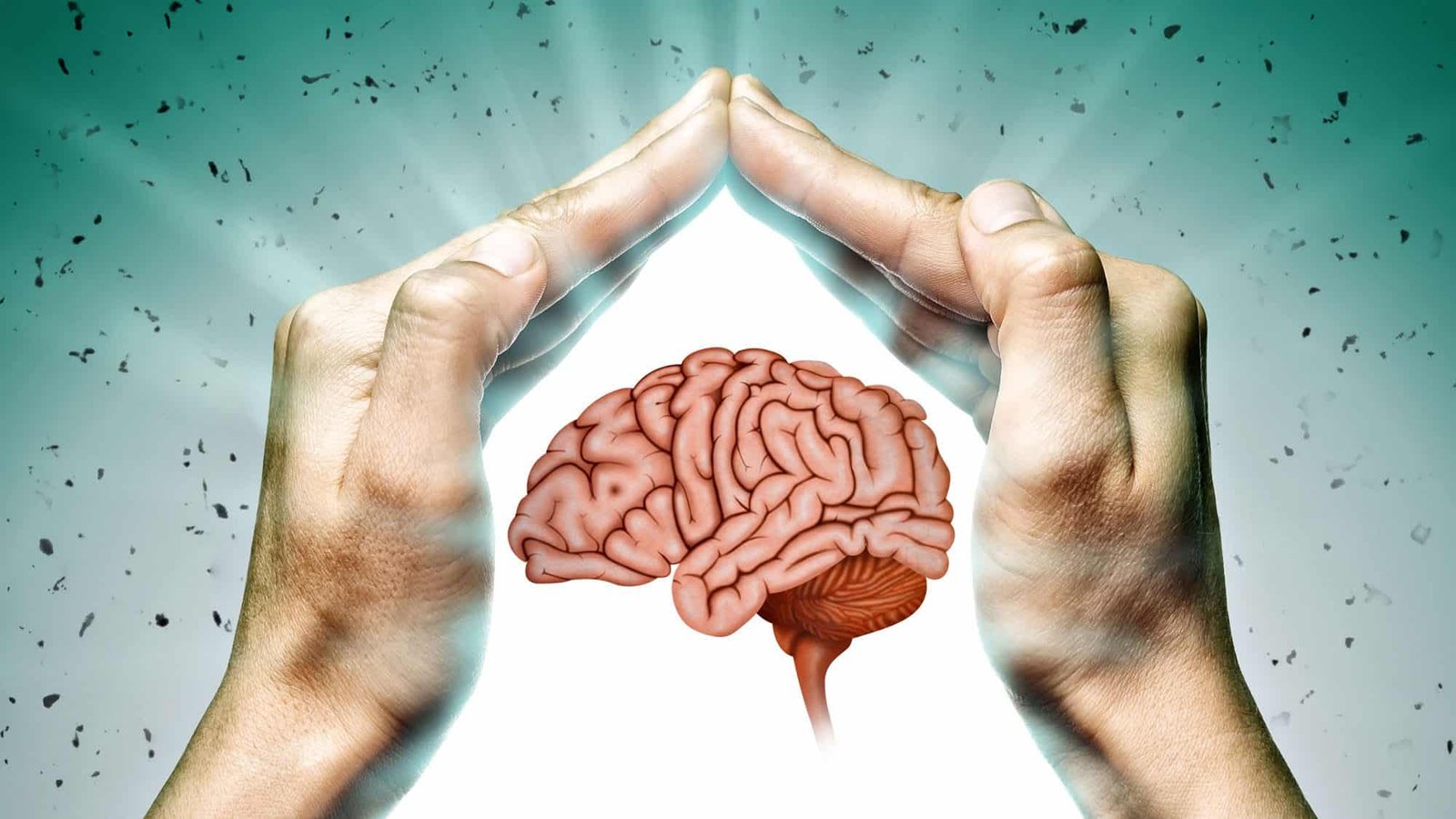
It means the brain is part of the body.
Mental health and physical health continually influence one another.
Supporting emotional wellness may therefore involve therapy, adequate nutrition, sleep, movement, meaningful relationships, nervous-system regulation and appropriate medical support.
The question becomes broader than:
“How do I stop feeling anxious?”
We can also ask:
“What helps my entire system feel safer, stronger and more regulated?”
Neuroplasticity: The Brain Can Learn Something New
One of the most hopeful things about understanding the brain is recognizing that it can change through experience.
This capacity is often described as neuroplasticity.
Patterns that have developed over time are not necessarily permanent.
Through repeated experiences of safety, therapeutic work, gradual exposure to manageable challenges, emotional regulation skills and supportive relationships, the brain can learn new associations.
The goal isn’t to eliminate the amygdala’s protective function.
We need an alarm system.
Instead, we want to become better at distinguishing between an alarm and an actual emergency.
That is an important part of transformation.
Transforming Fear Into Possibility
The next time fear appears, consider asking yourself:
What has my alarm system noticed?
Then ask:
Am I in immediate danger, or am I experiencing uncertainty, discomfort or an old protective pattern?
Take a moment before reacting.
Ground yourself in the present.
Give your thinking brain an opportunity to join the conversation.
Then ask one final question:
What becomes possible if I don’t automatically allow fear to make this decision?
Perhaps you have the conversation.
Attend the appointment.
Apply for the opportunity.
Set the boundary.
Walk into the unfamiliar room.
Try something new.
Ask for help.
Or simply remain present with an uncomfortable feeling long enough to discover that you can tolerate it.
Transformation does not require becoming fearless.
It means developing the capacity to hear the alarm, understand what it is communicating and then decide how you want to respond.
Your amygdala is not your enemy.
It is part of an extraordinary protective system designed to notice what matters.
Sometimes that system simply needs help learning that the present is different from the past—and that uncertainty does not always mean danger.
When we understand the conversation occurring between the brain, body, experiences and environment, fear becomes something we can approach with curiosity rather than judgment.
Because wellness is more than the mind.
And when we learn to understand our fear rather than simply obey it, we create an opportunity to transform fear into possibility.
Mind Health Connect
Transforming Fear Into Possibility.
Debbie Knight, RSW, CFNP
Mind Health Connect
Connecting Mind and Body for Lasting Emotional Wellness