

A Functional Nutrition Perspective
Seed oils have become a central point of discussion in nutrition and inflammation research. As a Functional Nutritionist, my role is not to create fear around food, but to examine how dietary patterns interact with human biology over time. Inflammation is not inherently harmful—it is a necessary immune response—but when it becomes chronic and unresolved, it contributes to many modern health concerns, including metabolic dysfunction, cardiovascular disease, joint pain, mood disorders, and accelerated aging. The question, then, is how seed oils fit into this larger picture.
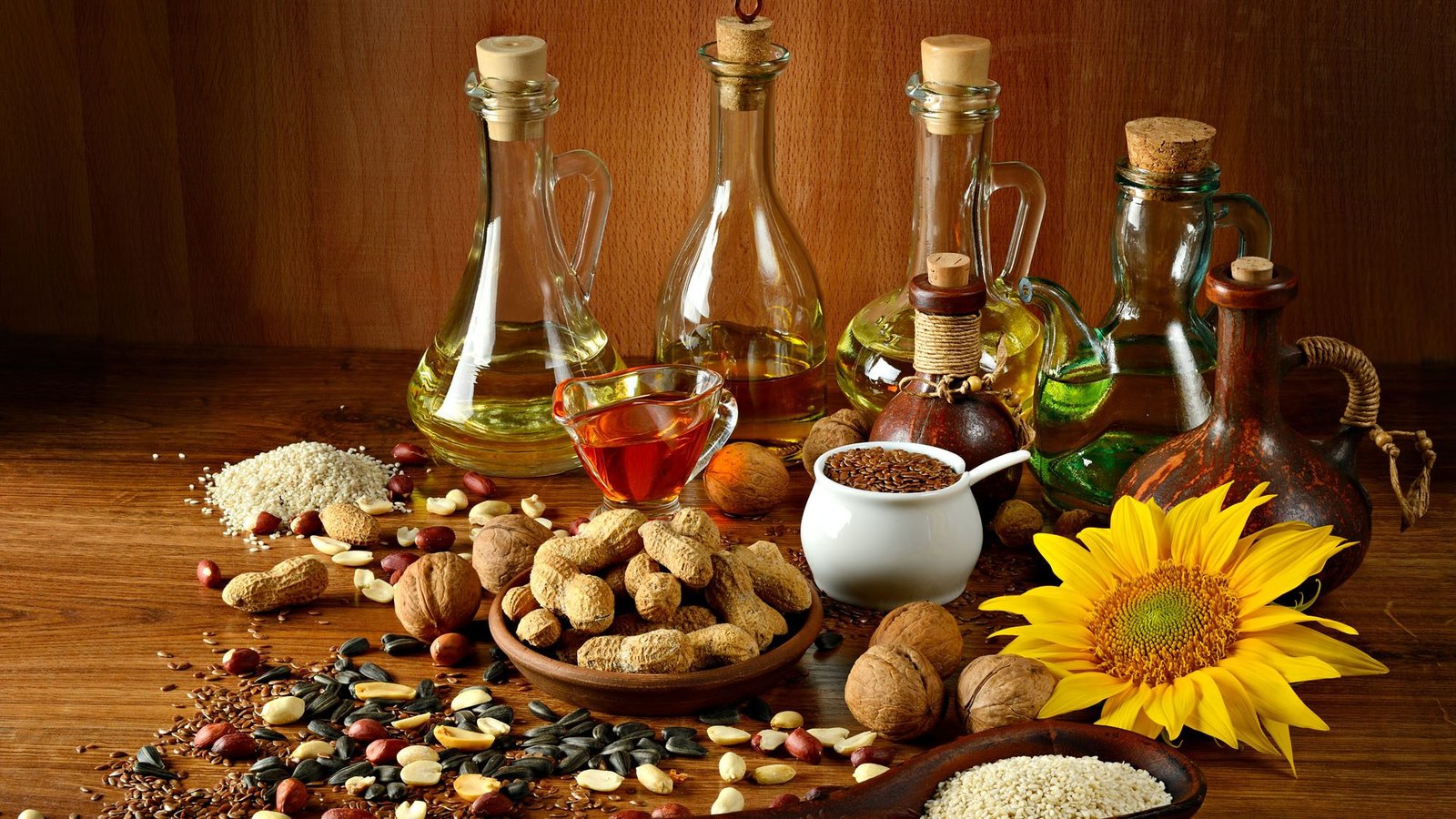
Seed oils—such as soybean, corn, canola, sunflower, safflower, grapeseed, and cottonseed oil—are extracted from plant seeds using industrial processing methods. Over the past century, their consumption has increased dramatically, largely due to changes in food manufacturing and dietary guidelines. From a functional nutrition standpoint, it is important to evaluate not just what these oils are, but how they behave in the body.
Understanding Inflammation in Functional Nutrition
Functional nutrition views inflammation as a system-wide process, influenced by diet, gut health, stress, sleep, toxin exposure, and metabolic status. Acute inflammation is protective and temporary. Chronic inflammation, however, is low-grade, persistent, and often driven by repeated dietary and lifestyle inputs.
Foods that contribute to chronic inflammation tend to share common features: they are highly processed, chemically unstable, or disruptive to gut and immune signaling. Seed oils are often evaluated through this lens, particularly due to their fatty acid composition and processing methods.
Omega-6 Fatty Acids and Inflammatory Balance
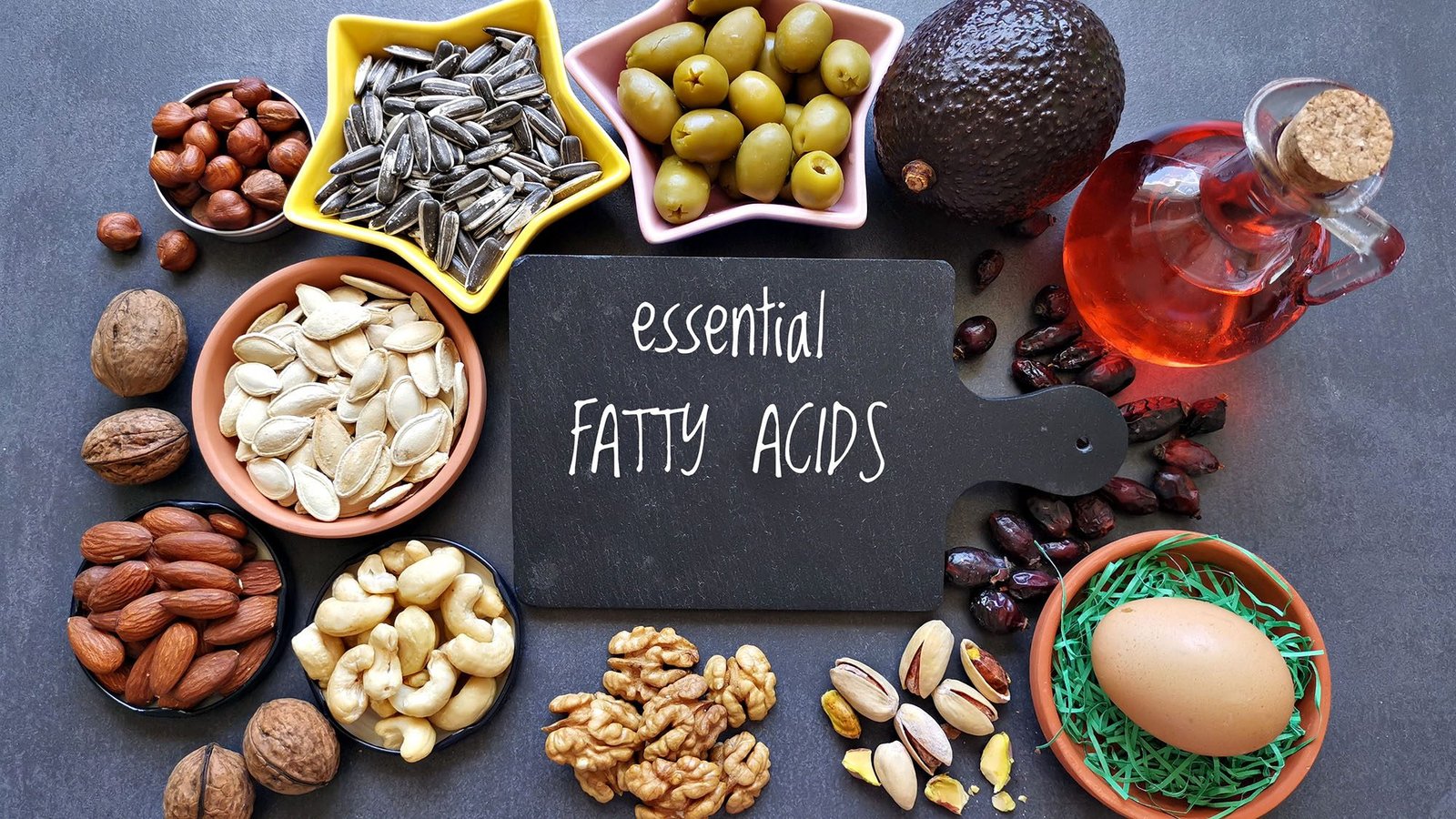
Most seed oils are high in omega-6 polyunsaturated fatty acids (PUFAs), particularly linoleic acid. Omega-6 fats are essential—meaning the body cannot produce them—but they must be consumed in balance with omega-3 fatty acids to support healthy inflammatory signaling.
From a functional nutrition perspective, the concern is not omega-6 fats themselves, but the modern imbalance. Traditional diets provided omega-6 and omega-3 fats in a roughly balanced ratio. Today, that ratio is often estimated to be 15:1 or higher in favor of omega-6 fats, largely due to widespread seed oil consumption.
Excessive omega-6 intake can shift the body toward producing more pro-inflammatory signaling molecules, especially when omega-3 intake is low. Over time, this imbalance may contribute to chronic inflammatory conditions affecting joints, skin, cardiovascular tissue, and the brain.
Oxidative Instability and Heat Processing
Another key concern with seed oils is their chemical instability. Polyunsaturated fats are structurally fragile and highly susceptible to oxidation when exposed to heat, light, and oxygen. Industrial seed oil production often involves high heat, chemical solvents, and deodorization processes, all of which can promote lipid oxidation.
Oxidized fats can generate compounds that increase oxidative stress in the body. Functional nutrition recognizes oxidative stress as a major driver of inflammation, cellular damage, and accelerated aging. When oxidized oils are consumed regularly—especially through fried foods and ultra-processed products—they may increase the inflammatory burden the body must manage daily.
Seed Oils and Gut Health
The gut plays a central role in regulating inflammation. It houses a large portion of the immune system and determines which substances are absorbed into circulation. Emerging research suggests that certain dietary fats may influence gut barrier integrity and microbiome composition.
From a functional standpoint, diets high in refined seed oils and ultra-processed foods are often associated with gut dysbiosis and increased intestinal permeability. When the gut barrier is compromised, inflammatory molecules can enter the bloodstream more easily, contributing to systemic inflammation.
While seed oils are not the sole cause of gut dysfunction, they are commonly consumed alongside refined carbohydrates, additives, and low-fibre foods, creating a dietary pattern that challenges gut resilience.
Metabolic Health and Inflammatory Signalling
Chronic inflammation is closely linked to metabolic health. Insulin resistance, weight gain, and dysregulated blood sugar all involve inflammatory pathways. Some animal and observational human studies suggest that excessive linoleic acid intake may interfere with normal metabolic signaling, particularly when combined with sedentary lifestyles and high-sugar diets.
Functional nutrition emphasizes context. Seed oils consumed occasionally in whole-food settings may not have the same impact as seed oils consumed daily through packaged snacks, fast food, and restaurant meals. The cumulative effect of repeated exposure is what matters most.
Seed Oils, Aging, and Cellular Stress
Inflammation and oxidative stress are central mechanisms of aging. As we age, the body becomes less efficient at repairing oxidative damage and resolving inflammation. Diets that increase lipid peroxidation may place additional strain on aging systems, including mitochondria, joints, and the nervous system.
Functional nutrition strategies for healthy aging focus on reducing unnecessary inflammatory inputs while increasing nutrient density. Fats that are more stable—such as monounsaturated and saturated fats from whole-food sources—are often better tolerated by aging bodies.

Not All Fats Are Equal
It is important to clarify that functional nutrition does not advocate fat avoidance. Fats are essential for hormone production, brain health, nutrient absorption, and satiety. The focus is on fat quality, stability, and source.
More stable fats—such as extra virgin olive oil, avocado oil, coconut oil, butter, and fats naturally present in whole foods—are less prone to oxidation and tend to support healthier inflammatory signalling when consumed as part of a balanced diet.
Reducing seed oil intake does not require perfection. It often begins with minimizing ultra-processed foods, cooking more at home, and choosing oils appropriate for heat and stability.
A Functional Nutrition Approach to Reducing Inflammation
From a functional nutrition perspective, addressing inflammation involves looking at the entire dietary pattern rather than isolating a single ingredient. However, seed oils are a meaningful piece of the modern inflammatory puzzle due to their prevalence and biological effects.
Small, sustainable changes—such as reading ingredient labels, rotating cooking fats, increasing omega-3 intake from whole food sources, and prioritizing minimally processed foods—can significantly reduce inflammatory load over time.
The goal is not restriction, but biological alignment. When food choices support the body’s natural regulatory systems, inflammation becomes easier to resolve rather than a constant state the body must manage.
Final Thoughts
Seed oils are not inherently toxic, but their widespread use, processing methods, and fatty acid profile raise valid concerns within functional nutrition. Inflammation is cumulative, and the foods we consume daily matter more than those we eat occasionally.
By understanding how seed oils interact with inflammatory pathways, gut health, and metabolic signaling, individuals can make informed choices that support long-term resilience and aging well. Nutrition is not about eliminating every potential stressor—it is about reducing the ones that are unnecessary.
References
- Calder, P. C. (2015). Functional roles of fatty acids and their effects on human health. Journal of Parenteral and Enteral Nutrition, 39(1), 18S–32S.
- Simopoulos, A. P. (2002). The importance of the omega-6/omega-3 fatty acid ratio in cardiovascular disease. Biomedicine & Pharmacotherapy, 56(8), 365–379.
- Ramsden, C. E., et al. (2013). Omega-6 linoleic acid and risk of cardiovascular disease. BMJ, 346, e8707.
- DiNicolantonio, J. J., & O’Keefe, J. H. (2018). Omega-6 vegetable oils as a driver of coronary heart disease. Open Heart, 5(2), e000898.
- Zinöcker, M. K., & Lindseth, I. A. (2018). The Western diet–microbiome-host interaction and its role in metabolic disease. Nutrients, 10(3), 365.