


Every day we make hundreds of decisions. Some are significant, while others barely register in our awareness. One of the most overlooked decisions is what we choose to eat. Although nutrition is often viewed through the lens of weight management or physical health, the food we consume has a profound influence on something much deeper—our emotional resilience.
Emotional resilience is our ability to adapt to stress, recover from adversity, and continue moving forward despite life’s challenges. While therapy, healthy relationships, and coping strategies all contribute to resilience, there is another important piece of the puzzle that is often forgotten: biology.
Our brain is not separate from our body. Every emotion we experience is influenced by a complex network of hormones, neurotransmitters, nutrients, inflammation, blood sugar regulation, gut health, and nervous system function. The quality of our daily nutrition directly affects these biological systems, shaping not only how we feel physically but also how we think, cope, and respond emotionally.
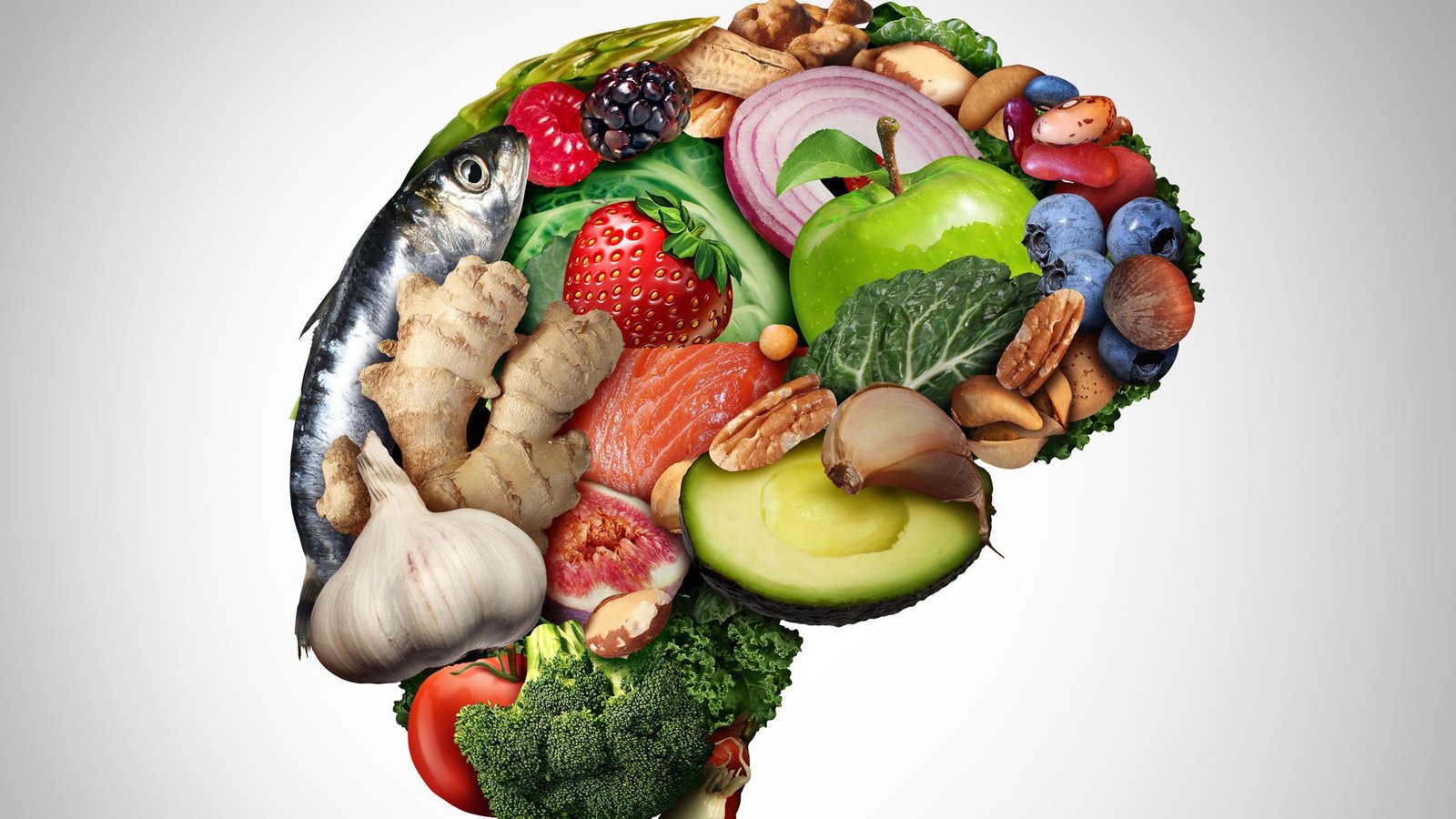
Your Brain Is Built from What You Eat
Without the necessary building blocks, the brain simply cannot function optimally.
Nutrients such as protein provide the amino acids required to manufacture serotonin, dopamine, GABA, and norepinephrine. Healthy fats support communication between brain cells, while vitamins and minerals serve as cofactors for hundreds of chemical reactions that regulate mood.
When nutrition is inadequate, the brain often prioritizes survival over optimal emotional regulation.
This is why poor nutrition may contribute to symptoms such as:
- Increased anxiety
- Irritability
- Mood swings
- Brain fog
- Difficulty concentrating
- Low motivation
- Emotional overwhelm
- Fatigue
- Poor stress tolerance
Although nutrition alone is rarely the sole cause of mental health concerns, it can significantly influence the intensity and persistence of emotional symptoms.
Blood Sugar: The Hidden Driver of Mood
Every meal influences glucose levels. When meals consist primarily of refined carbohydrates or sugary foods without adequate protein, fibre, or healthy fats, blood sugar rises rapidly before falling just as quickly.
These fluctuations trigger the release of stress hormones such as cortisol and adrenaline.
The result can feel surprisingly emotional.
Many people describe feeling:
- Anxious
- Easily frustrated
- Emotionally reactive
- Shaky
- Unable to focus
- Mentally exhausted
These feelings are often interpreted as emotional problems when, in reality, the body may simply be responding to unstable blood sugar.
Balanced meals that include protein, healthy fats, fibre, and complex carbohydrates help maintain a more consistent energy supply to the brain, allowing emotional regulation systems to function more effectively.
The Gut-Brain Conversation Never Stops
The gut houses trillions of bacteria that assist with digestion, immune function, inflammation control, and even neurotransmitter production.
When the gut microbiome is diverse and healthy, it helps support balanced mood and stress resilience.
When it becomes disrupted through poor nutrition, chronic stress, antibiotics, illness, or highly processed foods, the consequences may include:
- Increased inflammation
- Digestive discomfort
- Greater stress sensitivity
- Lower energy
- Mood instability
Interestingly, approximately ninety percent of the body’s serotonin is produced within the digestive tract. While this serotonin does not directly cross into the brain, it illustrates just how closely our digestive health and emotional wellbeing are connected.
Supporting the microbiome through vegetables, fruits, legumes, fermented foods, fibre, and whole foods creates an internal environment that supports both physical and emotional wellness.

Nutrients That Build Emotional Strength
Emotional resilience depends upon countless nutrients working together.
Protein provides amino acids needed to create neurotransmitters.
Omega-3 fatty acids help maintain healthy brain cell membranes and may reduce inflammation.
Magnesium supports relaxation and nervous system regulation.
B vitamins assist with energy production, methylation, and neurotransmitter synthesis.
Iron transports oxygen to the brain.
Zinc contributes to immune health, brain communication, and cognitive function.
Vitamin D influences immune regulation, inflammation, and mood.
No single nutrient is a miracle solution. Rather, emotional resilience develops through the combined effect of many nutrients working together consistently over time.
Food Is Information
One helpful way to think about nutrition is to recognize that food is more than calories.
Food is biological information.
Every meal sends messages throughout the body.
Whole foods rich in nutrients communicate safety, repair, growth, and energy production.
Highly processed foods consumed in excess may promote inflammation, unstable blood sugar, oxidative stress, and reduced nutrient availability.
This does not mean perfection is necessary.
Resilience is built through patterns, not isolated meals.
One nourishing meal will not transform your mental health overnight.
Likewise, one dessert does not erase a healthy lifestyle.
It is the cumulative effect of daily choices that gradually strengthens emotional wellbeing.
Nutrition Supports Therapy
Counselling helps individuals process experiences, understand emotions, develop healthier thinking patterns, strengthen relationships, and learn effective coping strategies.
Nutrition supports the biology that allows those psychological changes to occur more effectively.
When the brain receives adequate nutrients, stable energy, and reduced inflammation, many individuals notice they have greater emotional capacity to participate in therapy.
They often report:
- Improved focus
- Better concentration
- More stable mood
- Increased motivation
- Better sleep
- Improved stress tolerance
- Greater emotional flexibility
Mental health care becomes more effective when we care for both the mind and the body simultaneously.

Small Daily Choices Matter
Small consistent habits often produce the greatest long-term impact.
Simple changes include:
- Eating regular balanced meals
- Including protein at breakfast
- Drinking adequate water
- Choosing whole foods more often
- Eating colourful vegetables daily
- Supporting gut health with fibre-rich foods
- Reducing highly processed foods when possible
- Prioritizing quality sleep
- Managing stress through movement, mindfulness, and connection
These habits provide the biological foundation that allows emotional resilience to grow.
Emotional Wellness Begins Within
Far from it.
Mental health care works best when we recognize that people are whole human beings—not simply brains with symptoms.
For many individuals, healing involves addressing multiple pieces of the puzzle:
- Emotional support
- Healthy nutrition
- Nervous system regulation
- Sleep
- Movement
- Healthy relationships
- Trauma recovery
- Purpose and meaning
- Functional health assessment when appropriate
When these pieces begin working together, many people experience greater resilience, improved mood, clearer thinking, and renewed hope.
The goal is not perfection.
The goal is creating an environment where the brain and body can work together as they were designed to.
Learn How Biology Influences Emotions
Many people spend years trying to understand their anxiety, depression, burnout, or emotional overwhelm without realizing that biology may be contributing to how they feel.
By exploring the connection between nutrition, brain function, gut health, blood sugar, inflammation, genetics, and emotional wellbeing, we can uncover important pieces of the mental health puzzle that are often overlooked.
Understanding these biological influences does not replace counselling—it enhances it.
Resilience is just one phone call away.
If you’re ready to discover how your biology may be influencing your emotions, Mind Health Connect offers an integrated approach that combines mental health counselling with functional nutrition. Together, we can explore the connections between your brain, body, and emotional wellbeing to help you build lasting resilience from the inside out.
Your mind and body are always in conversation.
When you nourish both, healing becomes possible.
Debbie Knight, RSW, CFNP
Mind Health Connect
Connecting Mind and Body for Lasting Emotional Wellness