


Discovering Purpose Through Gratitude and Connection
November Theme: Gratitude, Meaning, and Connection
When Life Doesn't Go According to Plan
Life has a way of challenging the stories we tell ourselves about how things should unfold. We imagine a future filled with stability, happiness, meaningful relationships, and a sense of control. Yet life rarely follows a predictable path.
Loss, illness, relationship struggles, financial uncertainty, trauma, and unexpected change can leave us questioning not only our circumstances but also our sense of identity and purpose.
During difficult times, it is natural to ask, Why is this happening to me? But perhaps a more meaningful question is, How can I find purpose in what I am experiencing?
Finding meaning does not require us to celebrate suffering or pretend that painful experiences are somehow blessings. Rather, it invites us to recognize that even when we cannot control what happens around us, we may still have opportunities to influence how we respond.
Meaning is not always something we discover immediately. Sometimes it develops slowly, through reflection, connection, compassion, and a willingness to see possibilities beyond our present circumstances.
Understanding the Human Need for Meaning
Human beings are naturally driven to seek meaning. We want to understand our experiences, feel that our lives matter, and recognize that we contribute something valuable to the world.
Frankl recognized that while we cannot always change our circumstances, we can sometimes discover meaning through our attitudes, relationships, values, and actions.
This perspective does not suggest that suffering is necessary for personal growth. Instead, it reminds us that difficult experiences do not have to define the entirety of our lives.
From a mental health perspective, meaning provides an important psychological foundation. Research has associated a stronger sense of purpose with greater psychological well-being, resilience, and life satisfaction.
When we feel connected to something larger than our immediate struggles, challenges may become easier to navigate.
Purpose offers direction when life feels uncertain.

The Relationship Between Gratitude and Meaning
Gratitude is often misunderstood as simply being thankful for the good things in life.
But meaningful gratitude goes deeper.
It involves recognizing what continues to hold value, even when other parts of life feel overwhelming.
During difficult times, gratitude might look like appreciating a supportive conversation, recognizing a small personal accomplishment, enjoying a peaceful moment outdoors, or acknowledging the strength it took to get through another day.
Gratitude does not eliminate sadness, fear, anger, or grief. These emotions deserve acknowledgment rather than suppression.
Instead, gratitude allows two experiences to exist simultaneously: we can recognize that life is difficult while also noticing that something meaningful remains.
This is particularly important because the human brain naturally prioritizes potential threats. Known as the negativity bias, this tendency can cause us to focus more heavily on what is wrong than on what is supportive or hopeful.
Practicing gratitude can help broaden our attention, encouraging us to recognize experiences that might otherwise go unnoticed.
Over time, this practice may support emotional well-being and a more balanced perspective.
The goal is not forced positivity. It is developing the ability to see a fuller picture of our lives.
How Difficult Experiences Affect the Mind and Body
When we experience prolonged uncertainty or emotional distress, the effects extend beyond our thoughts.
Stress activates biological systems designed to protect us from danger. The sympathetic nervous system prepares the body to respond, while stress hormones such as cortisol and adrenaline help mobilize energy.
These responses are essential for survival. However, persistent stress can contribute to disrupted sleep, muscle tension, digestive difficulties, fatigue, and challenges with concentration and emotional regulation.
This is why finding meaning during difficult times involves more than changing our thoughts.
Our physical well-being influences our ability to process experiences, regulate emotions, and reconnect with what matters.
Adequate nutrition, restorative sleep, movement, supportive relationships, and opportunities for nervous system regulation all contribute to emotional resilience.
From a functional nutrition perspective, consistent nourishment helps support the biological foundations of brain function. Balanced meals, sufficient protein, healthy fats, and essential micronutrients play important roles in maintaining normal neurological processes.
Although nutrition cannot remove life’s hardships, supporting the body may improve our capacity to cope with them.
When we care for the body, we create a stronger foundation for the mind to explore meaning, hope, and connection.

Finding Purpose Through Connection
One of the most powerful sources of meaning is our connection with others.
Human beings are social by nature. Our relationships influence how we understand ourselves, navigate adversity, and experience belonging.
During challenging periods, however, many people withdraw.
We may believe that others will not understand, that we are becoming a burden, or that we should manage everything independently.
Yet isolation can intensify emotional distress and reinforce feelings of disconnection.
Meaningful connection does not require a large social network. Sometimes one trusted person who listens without judgment can make an extraordinary difference.
Connection may also develop through volunteering, mentoring, creative activities, community involvement, or supporting someone facing similar circumstances.
Helping others can remind us that our experiences, knowledge, and compassion still have value.
Even when life changes dramatically, our ability to contribute does not necessarily disappear.
Belonging grows when we recognize that we matter to others and that others matter to us.
Small Steps Toward Meaning and Belonging
Finding meaning does not always require dramatic life changes.
Often, purpose emerges through small, intentional choices.
Consider beginning each morning by identifying one thing that matters to you. Reach out to someone you care about. Spend time in nature, participate in a creative activity, or reflect on something you have learned through adversity.
You might also establish a simple evening practice of writing down three experiences that brought comfort, connection, or meaning to your day.
Some days, those experiences may seem insignificant.
A warm meal. A kind word. A moment of laughter.
Yet these small experiences remind us that life contains more than the challenges demanding our attention.
Meaning develops when we begin recognizing how ordinary moments connect to our deeper values.
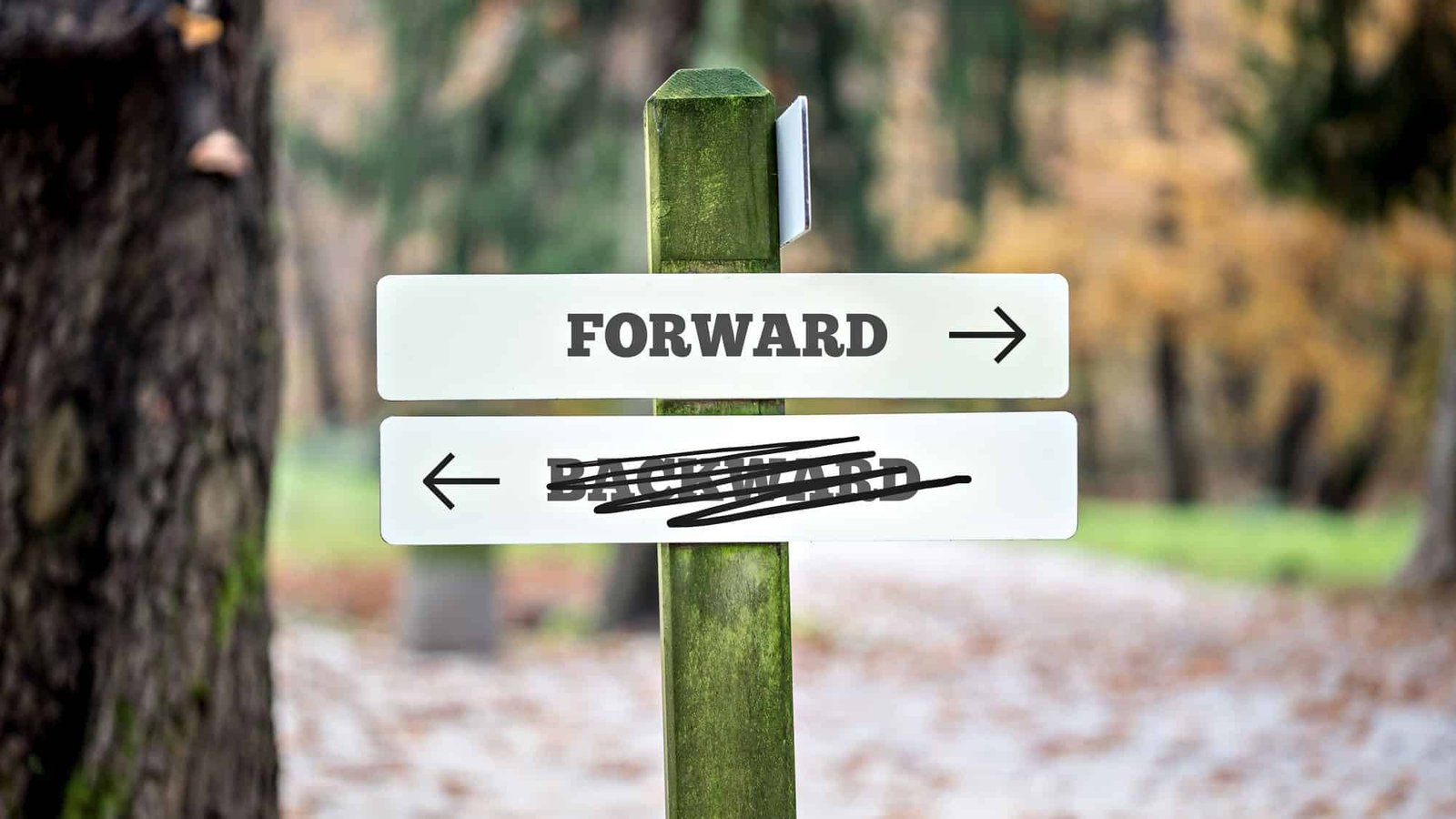
Moving Forward With Purpose
Difficult times can change how we see ourselves, others, and the world.
They may challenge our assumptions, expose vulnerabilities, and require us to reconsider what truly matters.
But our stories are not limited to the chapters that cause us pain.
We can acknowledge hardship while remaining open to possibility.
We can grieve what has changed while appreciating what remains.
And we can discover that purpose is not always about achieving something extraordinary. Sometimes it is about showing up, offering kindness, nurturing relationships, and recognizing the value of our own existence.
Gratitude helps us notice what matters. Meaning helps us understand why it matters. Connection reminds us that we do not have to navigate life alone.
Together, these experiences can strengthen our sense of purpose and belonging.
Call to Action: Strengthen Purpose and Belonging
At Mind Health Connect, we believe that mental wellness involves understanding the connection between our thoughts, emotions, biology, relationships, and lived experiences.
If you are navigating a difficult season, consider this invitation: rather than focusing exclusively on what has been lost, begin exploring what continues to hold meaning.
Ask yourself, What gives my life purpose today, and how can I strengthen my connection to it?
Through an integrated approach incorporating social work, trauma-informed therapy, and functional nutrition, Mind Health Connect supports individuals in exploring the emotional and physical foundations of well-being.
You do not need to have every answer before taking the next step.
Strengthen purpose and belonging.
Reconnect with what matters.
Discover that even during life's most challenging moments,
meaning and connection remain possible.
Mind Health Connect — Because Mental Health Is More Than the Mind.
For the next blog in the November series, a natural continuation would be “The Power of Human Connection: Why Belonging Matters for Mental Health,” exploring how relationships, community, and social support strengthen emotional resilience.
Debbie Knight, RSW, CFNP
Mind Health Connect
Connecting Mind and Body for Lasting Emotional Wellness