

Finding Balance in a Constantly Connected World
We live in an age where information is available instantly. A notification lights up our phone, an email arrives, a news alert appears, or a social media feed refreshes with endless new content. Technology has transformed how we work, communicate, learn, and connect with others. While these advances offer tremendous benefits, they also come with a hidden cost.
Many people today are not simply tired—they are mentally overloaded.
As a Registered Social Worker and Functional Nutrition Practitioner, I often see clients who believe they are experiencing anxiety, depression, or burnout when, in reality, their nervous system has simply never been given the opportunity to rest. Their brains are constantly processing information, switching attention, responding to messages, and anticipating the next notification.
The human brain was never designed to operate at this pace.
Digital overload is becoming one of the most overlooked contributors to emotional exhaustion, poor concentration, disrupted sleep, increased anxiety, and reduced resilience.
Your Brain Needs Recovery Time
The brain functions much like a muscle. It performs remarkably well when periods of focused work are balanced with periods of recovery. Unfortunately, modern technology often removes those recovery periods.
Instead of allowing our minds to rest while waiting in line, driving, or sitting quietly with a cup of coffee, many of us instinctively reach for our phones. Every spare moment becomes filled with scrolling, reading, watching, or responding.
The result is a brain that rarely experiences true quiet.
Without intentional downtime, the nervous system remains activated, making it difficult to shift into the restorative state necessary for healing, learning, memory consolidation, and emotional regulation.
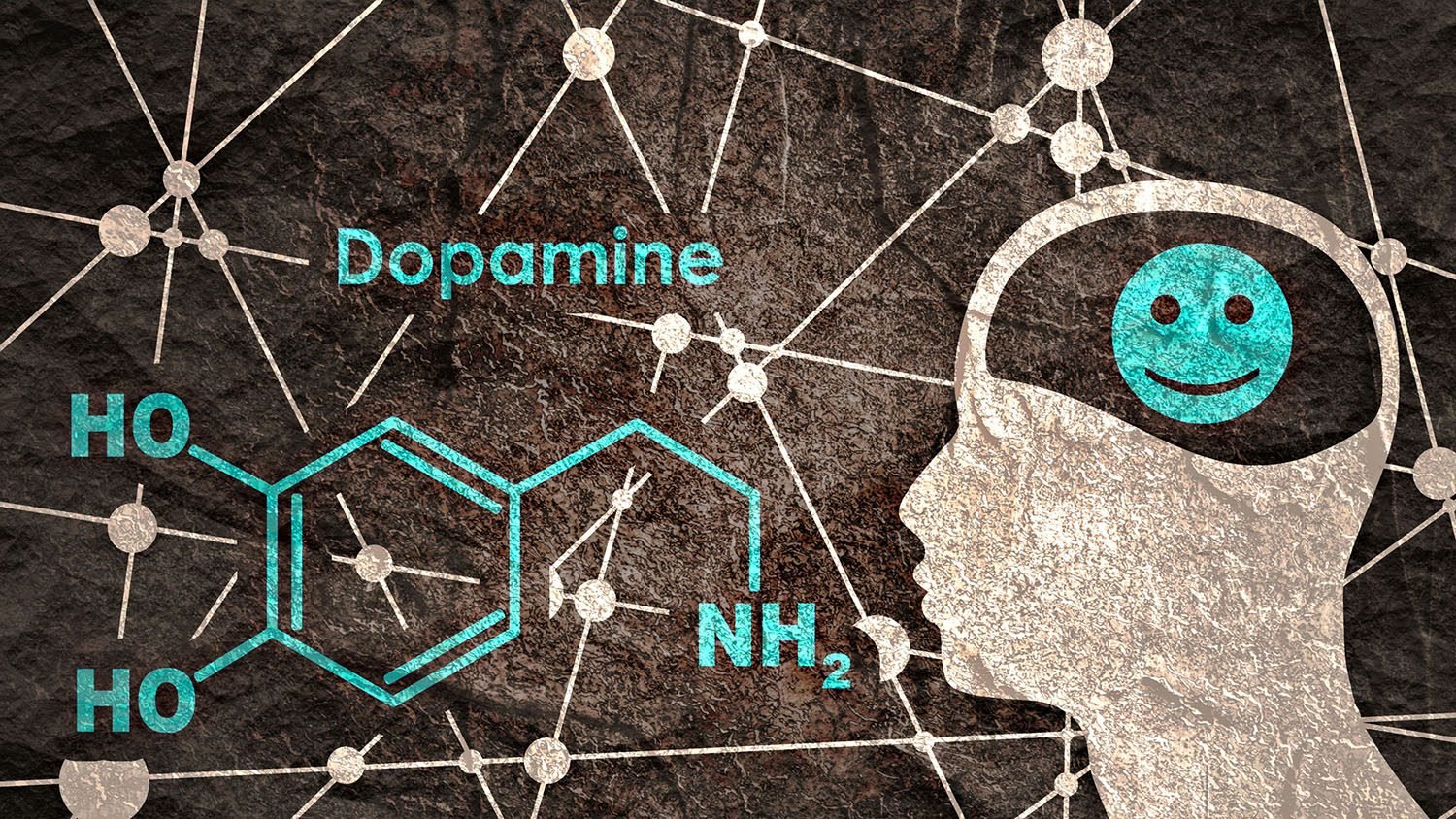
The Dopamine Trap
Every notification, “like,” message, or new piece of information creates a small release of dopamine—the neurotransmitter associated with motivation and reward.
Dopamine itself is not the problem. In fact, it plays an essential role in learning, focus, and healthy motivation.
The challenge comes when our brains become conditioned to seek constant novelty.
Social media platforms, streaming services, news feeds, and apps are intentionally designed to keep us engaged. Endless scrolling offers unpredictable rewards, encouraging us to continue searching for “just one more” interesting post or video.
Over time, this constant stimulation can make slower, quieter activities feel less satisfying.
Reading a book becomes difficult.
Having a conversation without checking a phone feels uncomfortable.
Even moments of silence may create restlessness.
The brain gradually becomes accustomed to continuous stimulation rather than sustained attention.
Emotional Overload
Technology doesn’t simply expose us to more information—it exposes us to more emotions.
Within minutes, we may encounter stories of tragedy, political conflict, natural disasters, personal celebrations, advertisements, opinions, criticism, and comparison.
Our brains process much of this emotional content as though it were happening directly to us.
This continuous emotional input activates stress pathways, increases cortisol production, and can leave individuals feeling emotionally drained without fully understanding why.
Many people describe feeling anxious before they even begin their day because they start every morning scrolling through emails, social media, and news headlines before their feet touch the floor.
The nervous system begins the day in a state of alertness instead of calm.

Sleep Suffers Too
Digital overload often extends well into the evening.
Many people fall asleep with a phone beside their bed or spend the final hour of the day watching videos or scrolling through social media.
Blue light emitted from electronic devices can suppress melatonin production, making it more difficult to fall asleep naturally.
Beyond the light itself, the content we consume matters.
Responding to work emails, reading upsetting news, or engaging in emotionally charged conversations before bedtime keeps the brain activated when it should be preparing for rest.
Quality sleep is one of the most powerful protectors of mental health. Without sufficient restorative sleep, emotional regulation becomes more difficult, stress tolerance decreases, concentration suffers, and mood often declines.
Children and Teens Are Especially Vulnerable
Young brains are still developing the ability to regulate attention, emotions, and impulse control.
Excessive screen time may interfere with opportunities for face-to-face interaction, creative play, outdoor activity, and boredom—all of which are essential for healthy brain development.
Boredom is often viewed negatively, yet it is during unstructured moments that imagination, creativity, and problem-solving flourish.
Children need opportunities to explore, move, build, create, and connect without constant digital stimulation.
Healthy technology habits begin with healthy adult role modelling.
Creating Digital Boundaries
Technology allows us to work, learn, connect with loved ones, and access valuable resources.
Ask yourself:
- Am I using technology with purpose or simply out of habit?
- How do I feel after spending time online?
- Does my screen time leave me feeling energized or depleted?
- Am I making space each day for genuine rest?
Small changes often produce meaningful improvements.
Consider creating phone-free meals.
Turn off non-essential notifications.
Leave your phone outside the bedroom.
Take regular walks without headphones.
Schedule short periods during the day where no screens are present.
These moments allow the nervous system to reset.

Nourishing the Brain Beyond Screens
Digital wellness is only one piece of emotional health.
The brain also requires the biological foundations that support resilience.
Stable blood sugar helps reduce mood fluctuations.
Adequate protein provides amino acids needed to manufacture neurotransmitters.
Omega-3 fats support healthy brain cell communication.
Magnesium plays an important role in calming the nervous system.
Quality sleep restores emotional regulation.
Regular movement lowers stress hormones while increasing endorphins.
Meaningful relationships remain one of the strongest protective factors for long-term mental health.
When we nourish both our biology and our daily habits, we create an environment where emotional resilience can grow.
Choosing Presence Over Constant Connection
Perhaps the greatest gift we can give ourselves is permission to disconnect.
Not because technology is bad, but because our minds need moments of stillness.
Healing rarely happens in the middle of constant distraction.
Creativity emerges in quiet moments.
Connection deepens when we are fully present.
Peace grows when our nervous system feels safe enough to slow down.
Healthy rhythms are not built through perfection but through small, consistent choices made every day.
Every phone set aside.
Every quiet walk.
Every uninterrupted conversation.
Every technology-free evening.
These seemingly simple practices become powerful investments in our mental and emotional well-being.
In a world that constantly asks for our attention, choosing to protect our peace may be one of the healthiest decisions we can make.
Establishing Healthy Rhythms for Life
Mental wellness is not about avoiding technology—it is about creating a healthy relationship with it. By establishing intentional daily rhythms that include periods of connection, rest, movement, nourishment, and reflection, we allow our minds and bodies to recover from the demands of modern life.
If you have been feeling mentally exhausted, emotionally overwhelmed, or constantly “on,” it may be time to look beyond stress alone and examine the rhythms that shape your day. Small, sustainable changes can have a profound impact on your emotional resilience, focus, and overall well-being.
We can help address both mind and body
At Mind Health Connect, we believe lasting mental wellness is built by addressing both the mind and the body. Through an integrated approach that combines mental health support with functional nutrition and lifestyle strategies, we help individuals create healthier rhythms that support emotional resilience and long-term well-being.
If you’re ready to reduce overwhelm, restore balance, and establish healthy rhythms for life, we’d be honoured to walk alongside you on your journey toward lasting wellness.
Debbie Knight, RSW, CFNP
Mind Health Connect
Connecting Mind and Body for Lasting Emotional Wellness