


Through a Social Work and Functional Nutrition Lens
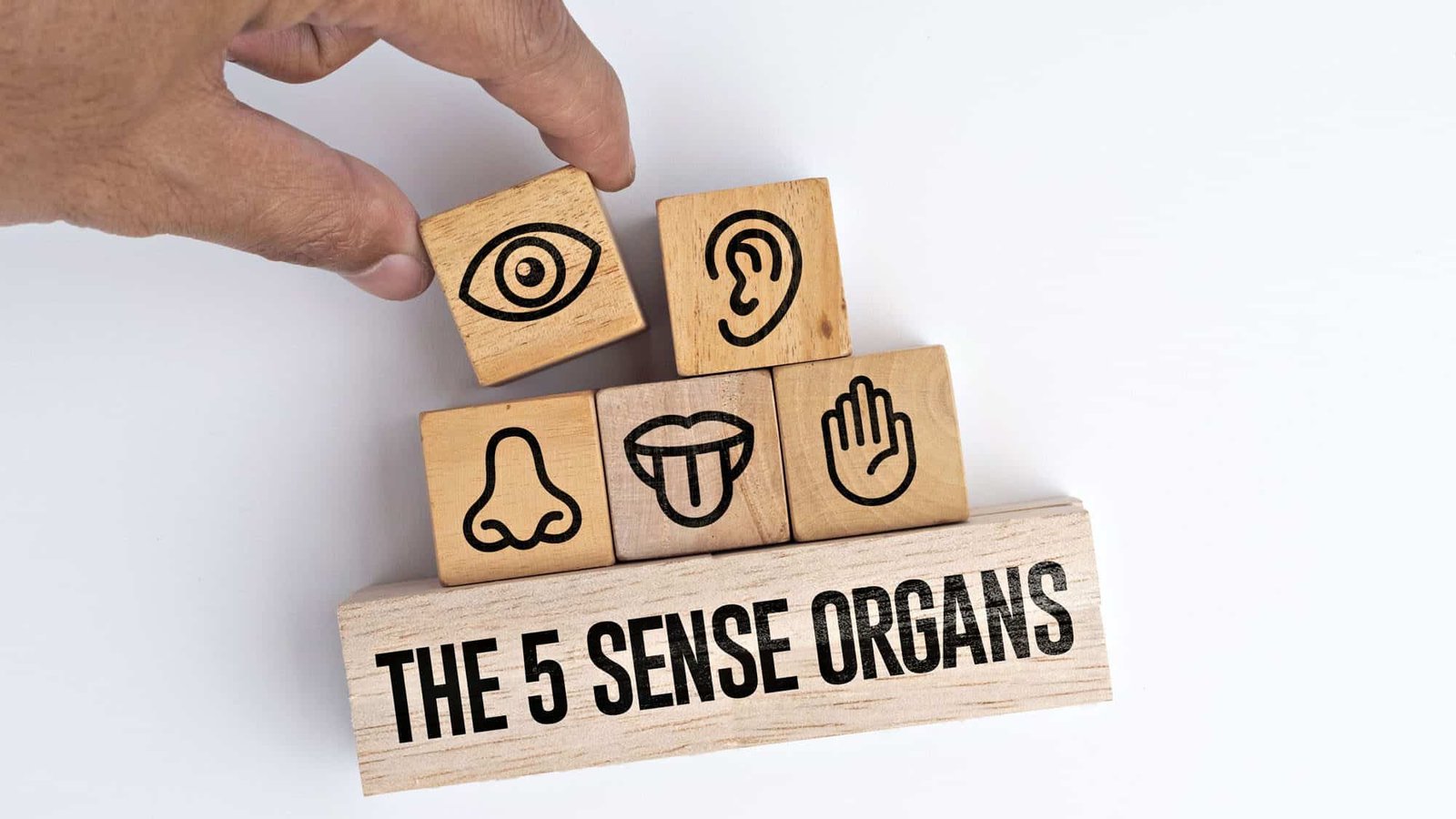
When most of us think about the senses, we recall the familiar five: sight, sound, smell, taste, and touch. Yet human perception is far more complex. We are guided not only by these external senses, but also by internal ones that help us navigate our bodies and environments. Expanding our awareness to include eight senses—adding interoception, proprioception, and vestibular awareness—offers a powerful framework for understanding health, behavior, and healing.
From both a social work and functional nutrition perspective, these eight senses are not just biological functions. They are deeply connected to emotional regulation, trauma, nourishment, and our sense of safety in the world.
The Traditional Five: Our External Connection to the World
The original five senses—vision, hearing, smell, taste, and touch—serve as our primary interface with the external environment. They shape how we experience relationships, food, and safety.
Taste and smell, for example, are directly tied to nutrition. Cravings, aversions, and appetite are influenced by both physiological needs and emotional states. A person under chronic stress may crave sugar or salt, not simply out of habit, but because the body is seeking quick energy or mineral replenishment.
Touch, another key sense, is central to human connection. Safe, nurturing touch can regulate the nervous system, reduce cortisol, and increase oxytocin—the hormone associated with bonding and trust. From a social work perspective, individuals who have experienced trauma may have altered responses to touch, highlighting how sensory experiences are shaped by lived experience.
Interoception: The Sense of the Inner Body
Interoception is our ability to perceive internal bodily sensations—hunger, thirst, heartbeat, breath, and emotional cues. It is often referred to as the “eighth sense,” though in many frameworks it is considered the sixth.
This sense is foundational to both functional nutrition and emotional well-being. When interoception is strong, individuals can recognize when they are hungry, full, anxious, or fatigued. They can respond appropriately—eating when nourishment is needed, resting when energy is low, or seeking support when overwhelmed.
However, chronic stress, trauma, and poor nutrition can dull or distort interoceptive awareness. Many people report feeling “disconnected” from their bodies—unsure if they are hungry or full, or unable to identify emotions until they become overwhelming.
From a functional nutrition perspective, this disconnect may be linked to blood sugar dysregulation, inflammation, or nutrient deficiencies that impair signaling within the body. From a social work lens, it may reflect adaptive responses to trauma—where tuning out bodily sensations was once necessary for survival.
Rebuilding interoception is a key part of healing. Practices such as mindful eating, breath awareness, and body scanning can help individuals reconnect with their internal signals.
Proprioception: Knowing Where You Are in Space
Proprioception is the sense that tells us where our body is in space. It allows us to move without constantly looking at our limbs—to walk, reach, and balance with coordination.
This sense plays a significant role in regulation. Activities that engage proprioception—such as lifting, pushing, stretching, or even hugging—can have a calming effect on the nervous system. This is why weighted blankets, resistance exercises, and grounding movements are often used to support individuals with anxiety or sensory processing challenges.
From a social work perspective, proprioception can be especially important for children and adults who have experienced trauma or developmental disruptions. Movement-based interventions can provide a sense of control and safety that words alone cannot offer.
Nutritionally, muscle function and nerve signaling rely on adequate protein, magnesium, and electrolytes. When the body is depleted, proprioceptive feedback may feel less stable, contributing to fatigue or clumsiness.
Vestibular Sense: Balance and Orientation
The vestibular system, located in the inner ear, helps us maintain balance and understand our orientation in space. It tells us whether we are upright, moving, or still.
This sense is closely tied to the nervous system and plays a role in how safe or grounded we feel. Gentle vestibular activities—like rocking, swaying, or walking—can soothe the body and regulate stress responses.
For individuals with trauma, the vestibular system may become hypersensitive or under-responsive. Some may feel dizzy, disoriented, or uncomfortable with movement. Others may seek constant motion as a way to self-regulate.
From a functional nutrition standpoint, vestibular health can be influenced by hydration, mineral balance, and inflammation. For example, dehydration or electrolyte imbalances can contribute to dizziness or instability.
Sensory Integration: Where It All Comes Together
While each sense has a distinct role, true functioning depends on integration. The brain continuously processes and organizes sensory input to create a coherent experience of the world.
When sensory integration is disrupted, individuals may feel overwhelmed, anxious, or disconnected. This can show up as sensitivity to noise, difficulty focusing, emotional dysregulation, or challenges with eating and digestion.
Social workers often see these patterns in clients who have experienced trauma, chronic stress, or environmental instability. Functional nutrition practitioners may observe similar patterns in individuals with gut imbalances, inflammation, or nutrient deficiencies.
This overlap is not coincidental. The gut and brain are deeply connected through the gut-brain axis. Sensory processing, mood, and digestion are all influenced by this relationship.
The Impact of Modern Life on Our Senses
Modern environments can overload or dull our sensory systems. Constant screen time, processed foods, artificial lighting, and chronic stress all affect how we perceive and respond to sensory input.
For example:
- Highly processed foods can disrupt taste and satiety signals
- Chronic noise can increase stress and reduce focus
- Lack of physical movement can impair proprioception
- Emotional stress can blunt interoceptive awareness
From both a social work and functional nutrition perspective, these factors highlight the importance of creating environments that support sensory balance.
Healing Through the Senses
Healing begins with awareness. By understanding the role of all eight senses, we can begin to support regulation, connection, and well-being in a more holistic way.
- Nourish the Body: Whole, nutrient-dense foods support the biochemical processes underlying sensory function. Prioritizing minerals, healthy fats, and protein can improve nerve signaling and brain health.
- Create Sensory Safety: Safe environments—both physical and emotional—allow the nervous system to relax. This may involve reducing noise, creating calming spaces, or establishing consistent routines.
- Engage in Movement: Activities that involve stretching, lifting, or rhythmic motion can support proprioceptive and vestibular systems while reducing stress.
- Practice Mindful Awareness: Tuning into breath, hunger, and bodily sensations helps rebuild interoception. This strengthens the connection between mind and body.
- Foster Connection: Human relationships are inherently sensory experiences. Eye contact, tone of voice, and touch all contribute to a sense of belonging and safety.

A Holistic Perspective
Understanding our eight senses invites us to see health through a more integrated lens. We are not just thinking beings—we are sensing, feeling, and responding organisms shaped by both internal and external environments.
From a social work perspective, this means recognizing how experiences, relationships, and systems influence sensory processing. From a functional nutrition perspective, it means supporting the biological foundations that allow these senses to function optimally.
Together, these approaches remind us of something profound: healing is not just about fixing symptoms. It is about restoring connection—within the body, within relationships, and within the world around us.
When we begin to listen to all eight senses, we move closer to a state of balance, awareness, and resilience. And in that space, true healing becomes possible.